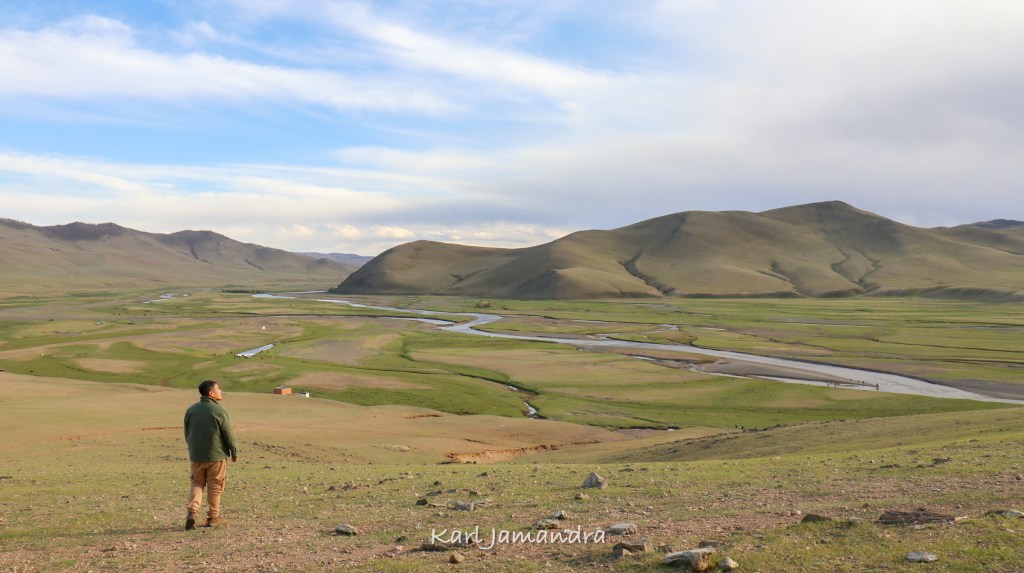
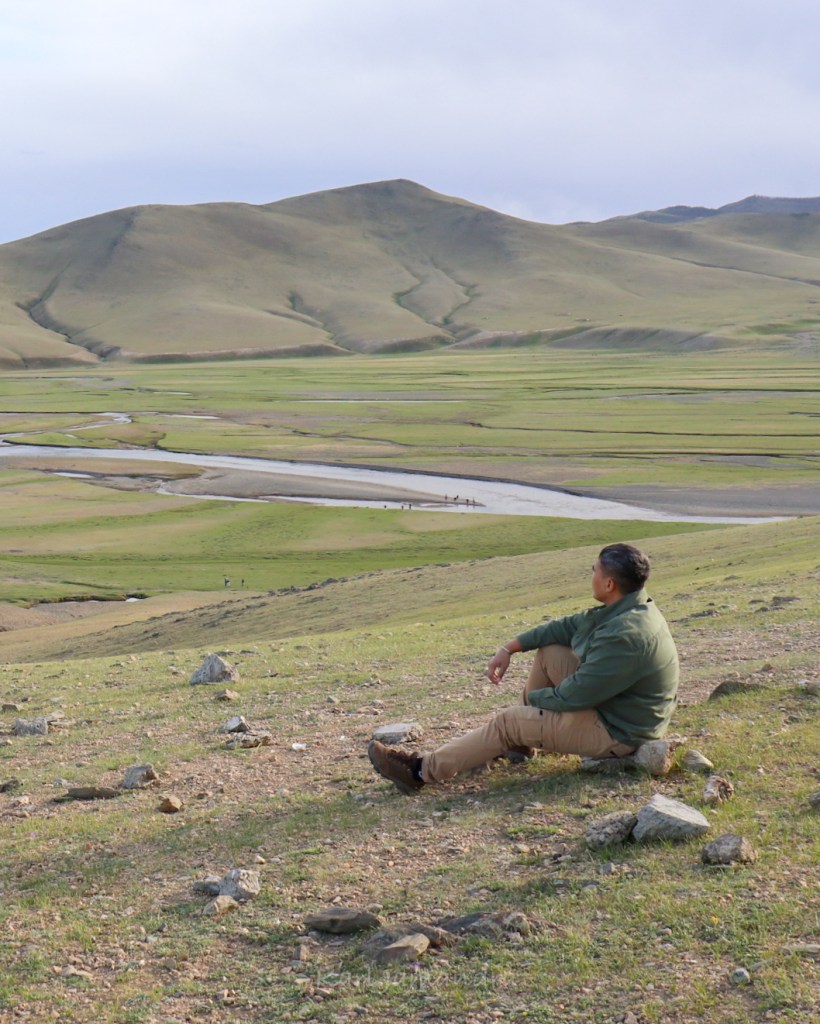
I’ve always been curious how does it feel like being surrounded by vast grassland with nearly nothing else in sight. No trees, no mountains, just the road you’re traveling in, and a whole lot of grass and the tens of thousands of animals feeding on them. Just recently, I finally got to experience that. It seemed like I was just a tiny dot in a very large plot of land. In a sense, that’s actually true.
MONGOLIA
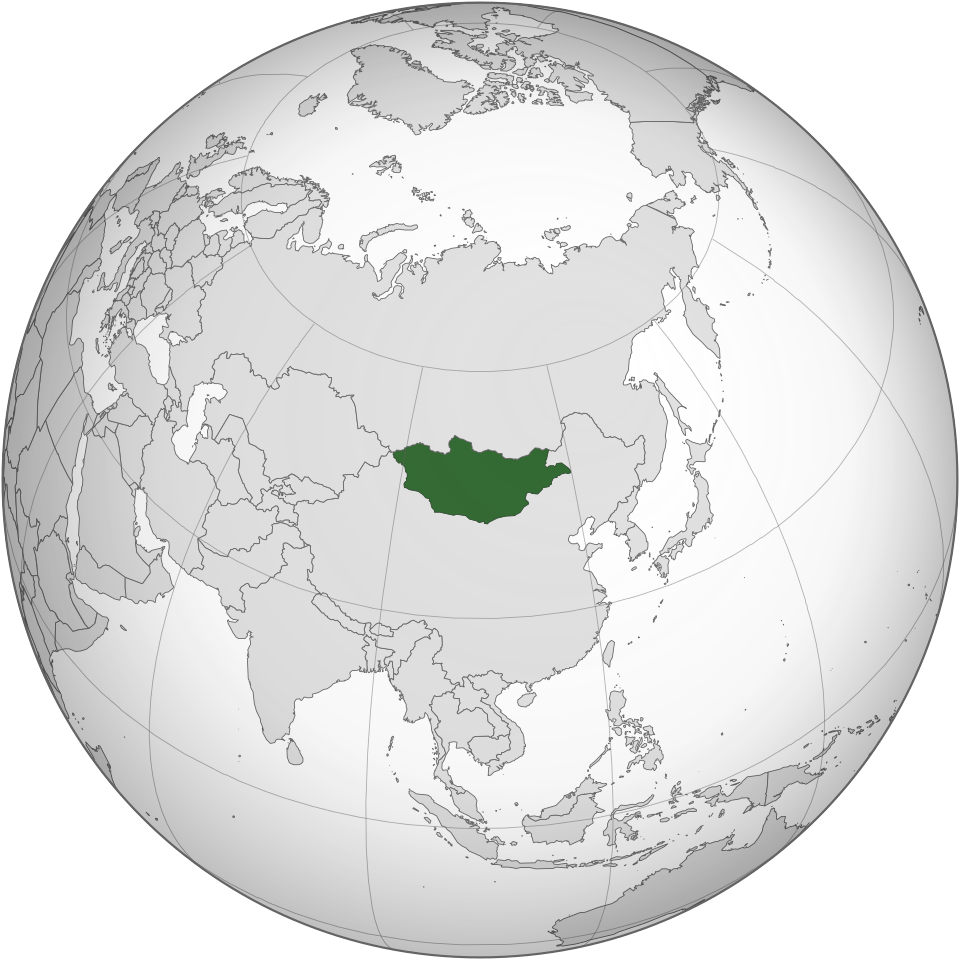
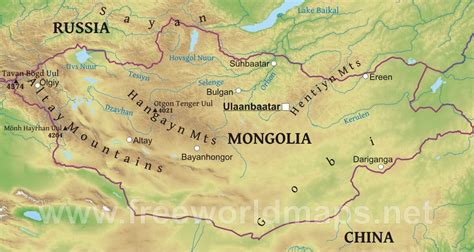
With a land area of more than 1.5 million square kilometers, Mongolia is the 18th largest country in the world. It is a landlocked country in the East Asia region, bordered by Russia to the north and China to the south. Its land consists largely of grassy steppes, semideserts and deserts, with forested high mountain ranges and lake-dotted basins in the north and the west.
Mongolia only has a population of 3.5 million, making it the least densely populated country in the world. Its population is predominantly Buddhists (51.7%), while Muslims (3.2%), Shamans (2.5%) and Christians (1.3%) comprise the minority. It’s interesting to note that a large portion of their population has no religion (40.6%).
Did you know that the country has a lot more livestock compared to its human population? It houses 70 million livestock comprising 32.3 million sheep, 29.3 million goats, 4.7 million cattle, 4.2 million horses and 0.5 million camel. That’s a 1:20 human-to-animal ratio!
The country of Mongolia experiences continental climate, which means it has a weather pattern that is characterized by significant temperature variations between seasons. Mongolia has long cold winters and short cool-to-hot summers. We visited during the season of spring, and what can I say is, it’s cool all day long! It becomes hot and sunny around lunchtime, but it’s still more tolerable compared to the intense heat we experience during summertime in the Philippines. By the way, if you are thinking of going here during winter, just a word of caution: one of our tour guides said it can really be cold during winter, as it can reach -40 degrees Celsius. Now, that’s something I don’t want to experience just yet. Haha!
How to go to Mongolia
There are no direct flights from the Philippines to Mongolia. The closest gateway with direct flights to Ulaanbaatar is Hong Kong, served by MIAT Mongolian Airlines and Cathay Pacific. One advantage of this route is that Filipino travelers do not need to obtain a visa for Hong Kong, making it a convenient transit or stopover option.
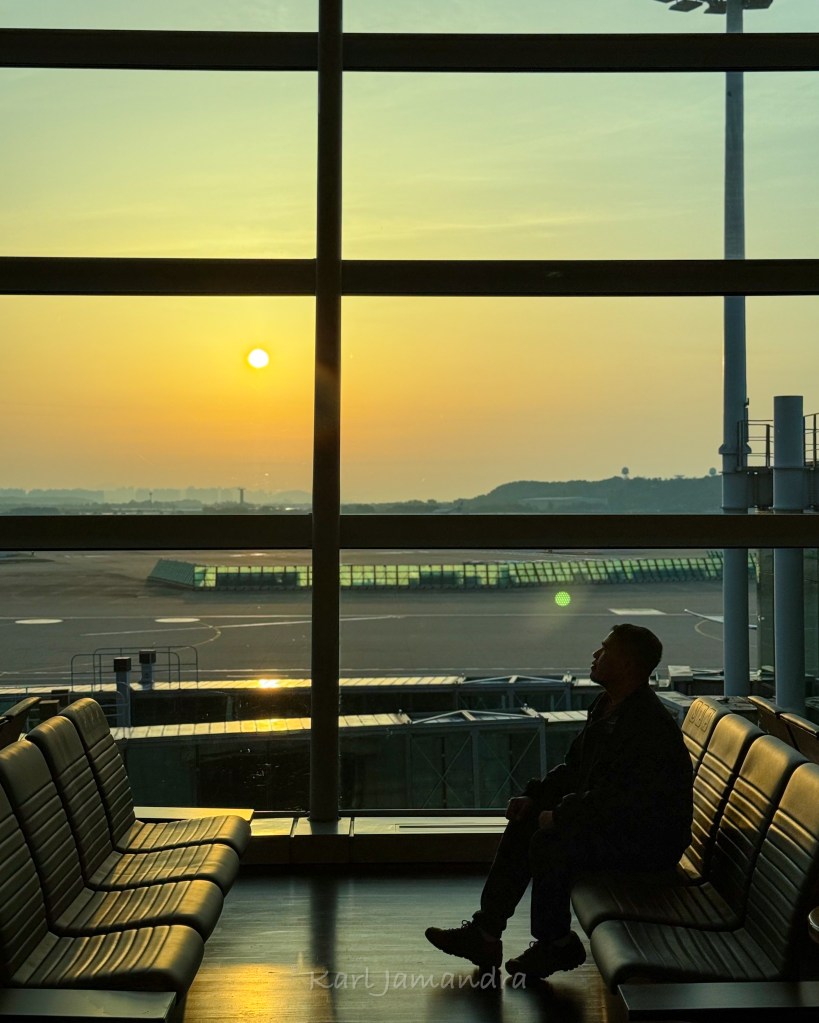
Other countries with direct flights to Mongolia include China, Japan and South Korea. Among these, South Korea offers the widest selection of airlines serving Ulaanbaatar, including Korean Air, Asiana Airlines, MIAT Mongolian Airlines, Aero Mongolia, Jeju Air and T’way Air.
Now, let’s talk about airfare. The cost will vary depending on the airline you choose and the time of year you plan to visit. Budget carriers such as Jeju Air may offer round-trip fares of around ₱30,000 to ₱40,000 during non-peak months, especially when booked well in advance. Meanwhile, full-service airlines such as Korean Air, Asiana Airlines and Cathay Pacific typically offer round-trip fares ranging from ₱45,000 to ₱60,000, although prices may be higher during peak travel seasons.
In general, the most expensive months to fly are December and January, followed by July and August, which coincide with holiday travel and the Naadam Festival. Travelers looking for lower fares should consider flying between April and June, when airfare is usually at its lowest.
By the way, Filipinos DO NOT need to apply for a visa to enter Mongolia! Yes, you read that right! As long as you’re planning to stay for only 21 days or less, you can enter Mongolia visa-free. You have to remember that Mongolia is one of the countries where Filipinos can visit without planning for a visa!
So, what documents should you prepare? Here’s a quick checklist:
- Valid passport — with at least six (6) months of validity beyond your intended stay
- Round-trip flight itinerary
- Proof of accommodation — such as hotel reservation, Airbnb booking, or host’s invitation letter
These are the documents that are most likely to be checked before your trip, particulary by immigration officers at Ninoy Aquino International Airport (NAIA).
In some cases, you may also be asked to present proof of sufficient funds (such as recent bank statements) and proof of employment or ties to the Philippines (such as certificate of employment or business documents). These help demonstrate that you have the financial means to travel and intend to return after your visit.
In our case, the immigration officer only checked our passport and asked about our travel dates. We were not asked about financial or employment documents, but it’s always a good idea to have them ready just in case. Also, the immigration officers in Mongolia are the ones most likely to check for the proof of accommodation, aside from the flight itinerary.
Where to stay in Mongolia
There are plenty of accommodation options in the capital city of Ulaanbaatar. For budget travelers, I highly recommend staying near Sukhbaatar Square. Aside from being the heart of the city, it is conveniently located near the bus stop that provides direct access to and from Chinggis Khaan International Airport, making it an excellent base for exploring the city.
During our trip, we stayed at the 3-star UB Grand Hotel, which is just a short walk from the square. We had a pleasant stay, and one of the highlights was their excellent buffet breakfast, which starts promptly at 7:00 AM. This is perfect if you have an early tour scheduled for the day!
If you don’t mind taking a taxi to and from the airport (80,000 MNT or around ₱1,350, compared to the airport bus fare of 15,000 MNT or around ₱250), you’ll have even more accommodation options to choose from.
We also spent a few nights at New West Hotel, another 3-star property located along Peace Avenue, and our experience there was equally enjoyable. The room was spacious, the bed was incredibly soft and comfortable, and it came with all the usual hotel amenities. The staff were also exceptionally helpful, providing useful information about getting around the city and answering our questions throughout our stay. Another advantage of the hotel is its location. It is surrounded by bakeries, supermarkets, restaurants and convenience stores, while a shopping mall is only about a 15-minute walk away. The only downside, in our opinion, is that breakfast is served relatively late, starting a little after 8:00 AM. If you have an early morning tour, you may have to skip it.
Now, let’s talk about accommodation costs in Mongolia. Budget guesthouses and hostels can be found for as low as a few hundred pesos per night, making them ideal for backpackers. Meanwhile, two- to three-star hotels typically charge around ₱3,000 to ₱9,000 per night for a double room, depending on the season and location. If you’re looking for a luxury stay, five-star hotels such as Shangri-La Ulaanbaatar generally cost around ₱25,000 per night.
Going around Ulaanbaatar
Most of the city’s major attractions are concentrated in the downtown area, making it possible to explore many of them on foot. If you’re staying near Sukhbaatar Square, you’ll be within walking distance of museums, restaurants, shopping centers and government buildings.
For destinations that are farther away, you can take the city’s public buses. While we were not able to try the local bus (apart from the airport bus), it is said to be the cheapest way to travel around the capital as a single ride would only cost 500 MNT. I’d say this is perfect for solo backpackers. If you’re unfamiliar with the routes, you can use reliable apps like Google Maps to guide you.
In our case, we used taxis and ride-hailing apps such as UBCab at times since they were widely available. UBCab is popular as it displays the fare in advance much like Grab or Uber. This mode of transportation is best if you prefer the convenience of door-to-door transportation, especially when you’re a group of two to four in your trip.
What to visit in Mongolia
There are a lot of places to see around the country! It can get very expensive, though, the farther you go from the capital city of Ulaanbaatar. Remember, Mongolia is one of the least densely populated countries in the world, and many of its spectacular destinations are located hundreds of kilometers away from the capital. While there are domestic flights and long-distance buses serving major provinces (I’ve checked domestic flights and they’re seasonal), the most convenient option is to join an organized group tour or hire a private driver with a vehicle equipped for long distance travels. Also, you can check out apps like Klook or Agoda to avail tours.
If you’re tight on budget, I’d say the key is in learning and preparing for your travel. Identify what you want to see and experience, making sure you have the budget for it, and purchase tours from legitimate agencies.
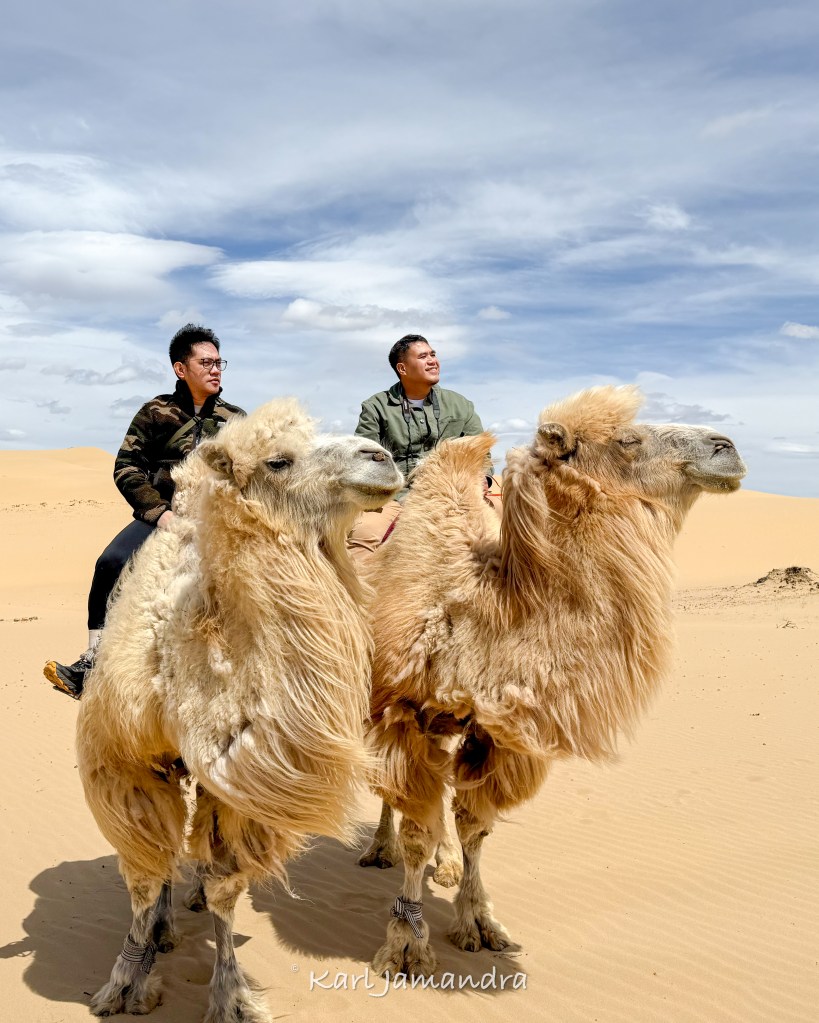
By the way, solo traveling in Mongolia can be very expensive. It’s definitely much better to have your family, loved ones, or friends with you when you travel here! During my Mongolian trip, I was with Gerard (IG: @gerardonduty), which made the trip more fun and memorable!
Here are my top destinations to go to in Mongolia!
ELSEN TASARKHAI
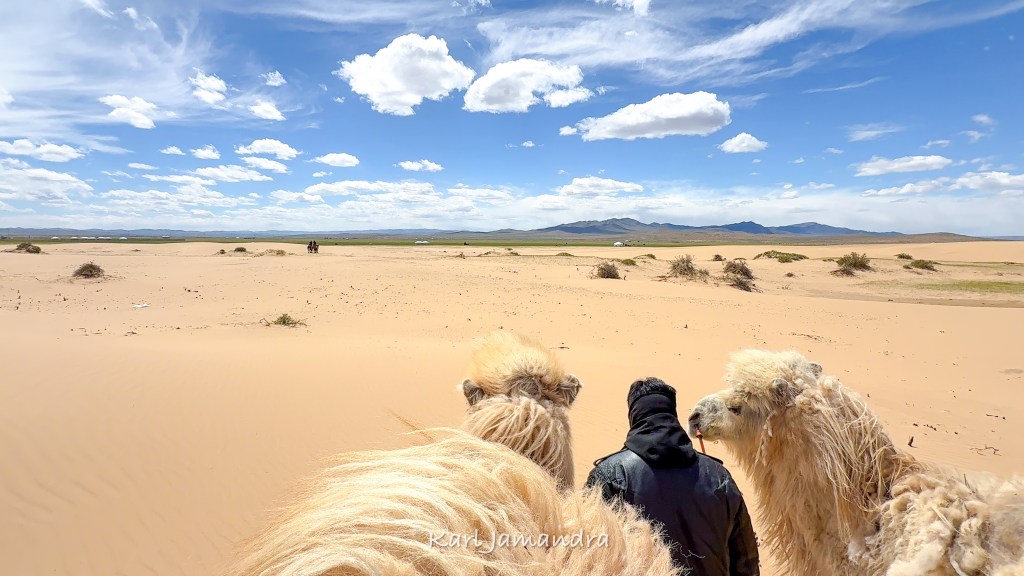
- Elsen Tasarkhai Sand Dune (Mini Gobi)
Often called “Mini Gobi,” Elsen Tasarkhai is a stunning stretch of golden sand dunes surrounded by grassy steppes and rugged mountains. When we reached it after many hours of driving, I felt really excited! Imagine seeing a beautiful desert scenery in the middle of lush countryside!
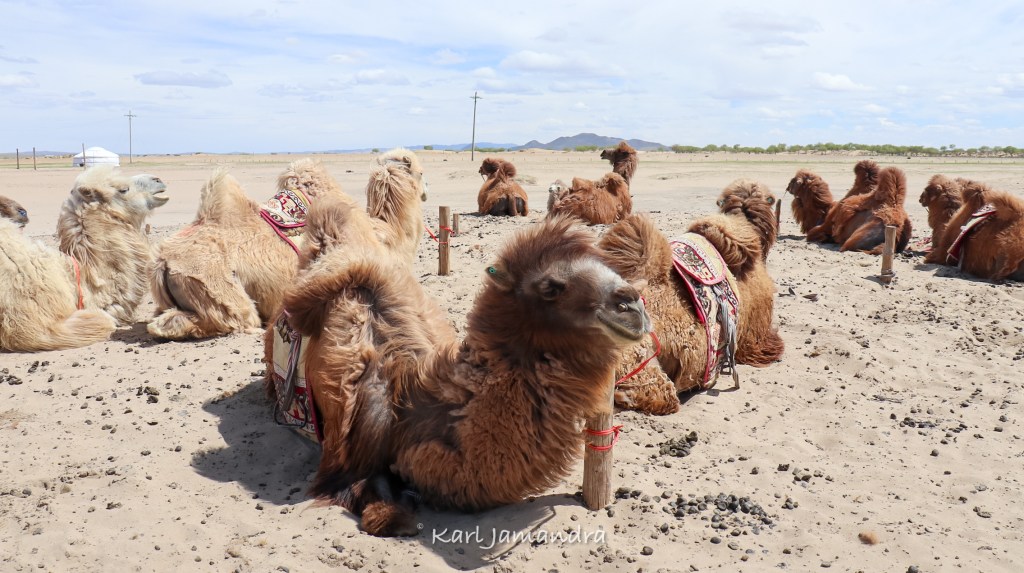
To experience it best, you have to ride the camels… and that’s exactly what we did! It wasn’t our first time riding the camel as Gerard and I already rode a pair during our travel in Dubai, United Arab Emirates. But our guide pointed out that their camel is different, as it has two humps instead of just one. And he’s correct! Bactrian camels (or Mongolian camels) are different from their Arabian counterparts, which only have one hump.
- Elsen Tasarkhai Ger Camp
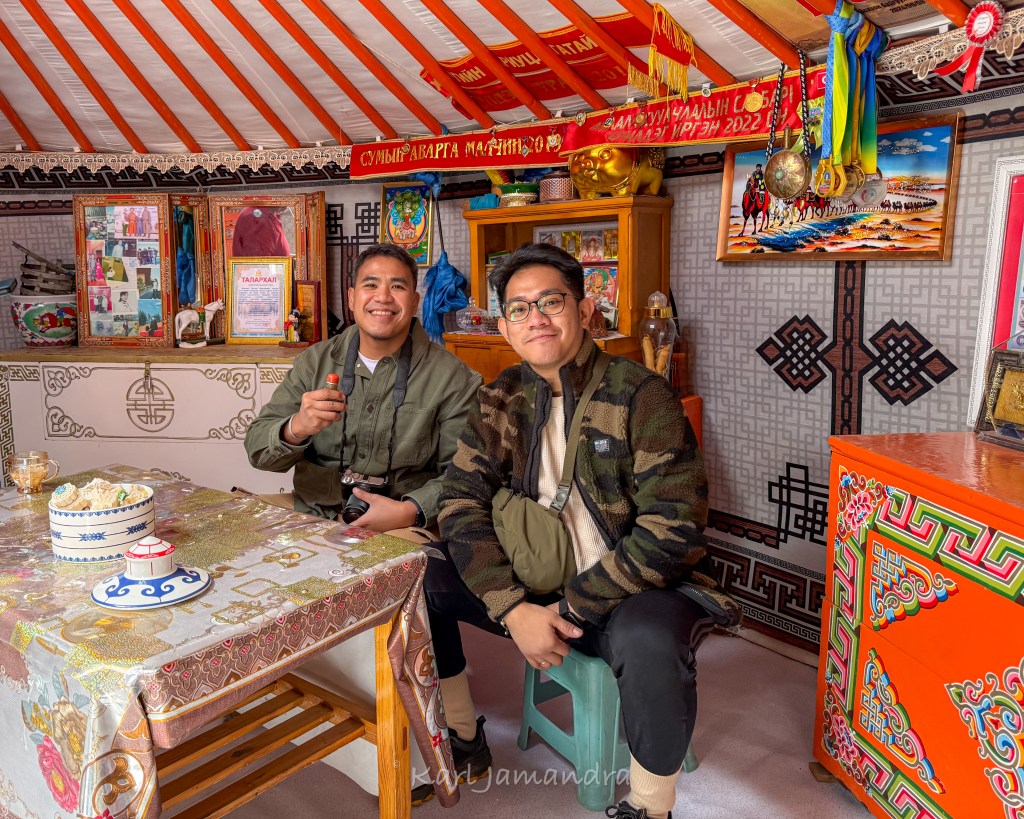
If you get the chance to visit Mongolia, staying in a traditional ger camp is a must! It’s one of the most authentic ways to experience Mongolia’s nomadic culture. While we did not stay overnight in an actual ger that is used by Mongolian families, we got the chance to see and go inside one, as well as mingle with the locals living there. By the way, if you want to learn more, visit my separate blog about Elsen Tasarkhai!
THE ANCIENT CITY OF KARAKORUM
Karakorum (or Kharakhorum) was once the capital of the vast Mongol Empire during the 13th century. Founded by no other than Chinggis Khan and later expanded by his son, Ögedei Khan, the city became an important political and cultural center along the Silk Road. Even though only a little remains of the original imperial city today, the area still carries immense historical significance. Surrounded by sweeping steppe landscapes, the ancient city of Karakorum offers visitors, tourists and travelers a glimpse into Mongolia’s glorious past and its role in shaping world history.
- Kharakhorum Museum
If there’s one place in Karakorum where you’d learn a lot about the Mongol history, it’s here in Kharakhorum Museum. It preserves the archaeological discoveries and the numerous historical artifacts uncovered in the ancient capital.
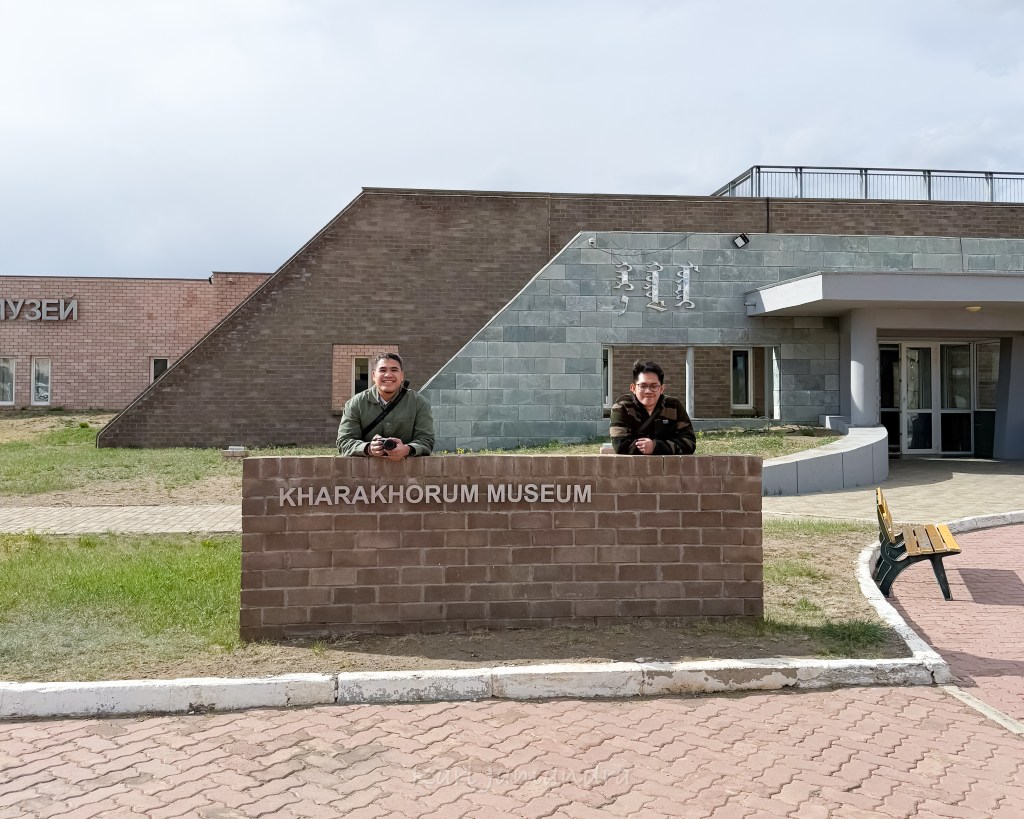
When we visited, we got to watch first a short video about the museum’s latest installment, which is a new discovery uncovered in the city. After that, we went through the museum’s sections showcasing ancient pottery, sculptures, coins, maps and remnants of the old city. Also, we went to a ger-like structure where we saw some Mongolian calligraphy and learned about Mongolia’s traditional games! We also got to play a few of them, which was actually nice!
You should go to Kharakhorum Museum when you visit the ancient capital of Mongolia. Not only did it bring the ancient city back to life, it offered a lot of insights about the Mongol Empire’s political influence and cultural diversity.
- Erdene Zuu Monastery
Considered to be one of Mongolia’s most treasured religious landmarks, Erdene Zuu Monastery is the country’s oldest surviving Buddhist monastery. It seemed like we were transported to the past when we visited here. Despite the heat of the sun during that afternoon, we still felt a peaceful atmosphere within its premises. It is said that the monastery was built in the 16th century using stones from the ruins of ancient Karakorum. Since then, it has survived periods of destruction and political upheaval.
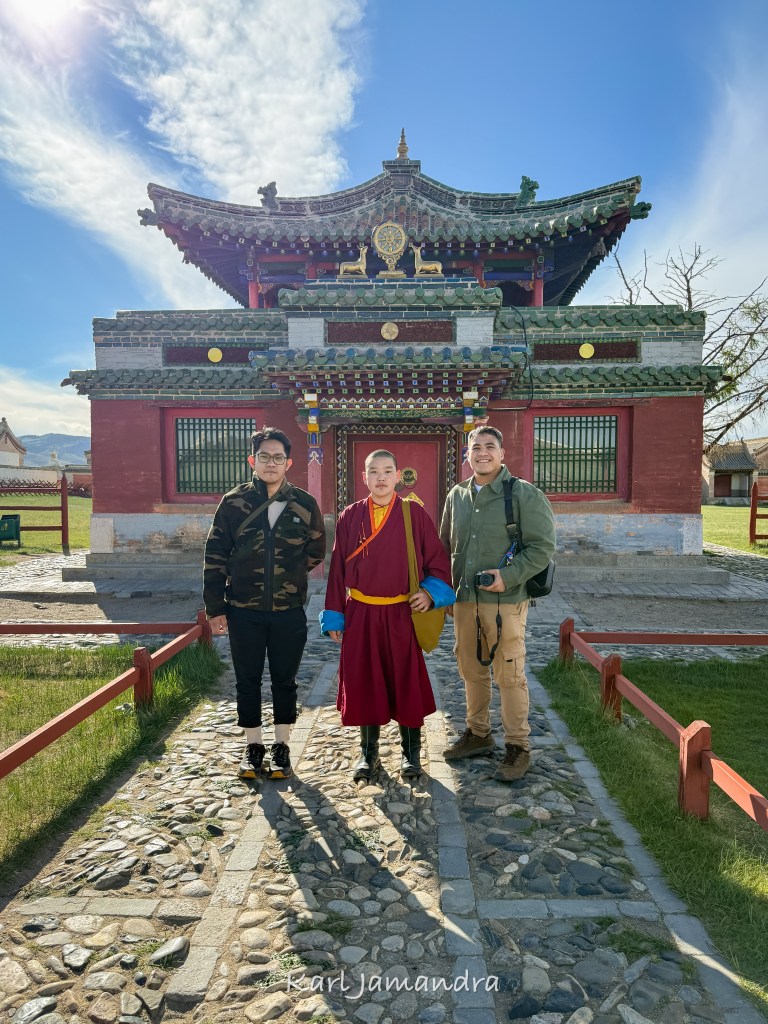
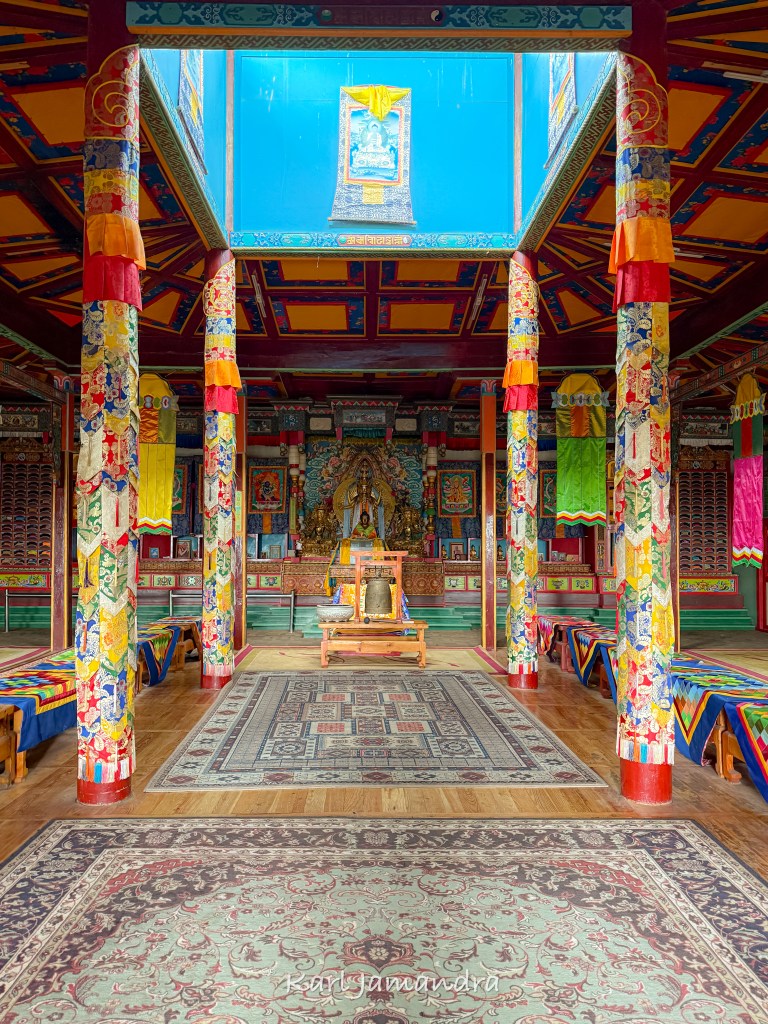
The monastery is easily recognizable with the huge, white stupas surrounding it. Moreover, its beautifully decorated temples, along with various colorful Buddhist artwork provide a lot for the eyes to see when you visit.
- Monument for Mongol States
I wasn’t expecting a lot when we went uphill to visit this monument. But I was surprised as to how beautiful it is! Not only that, it provides a sweeping view of the Orkhon Valley!
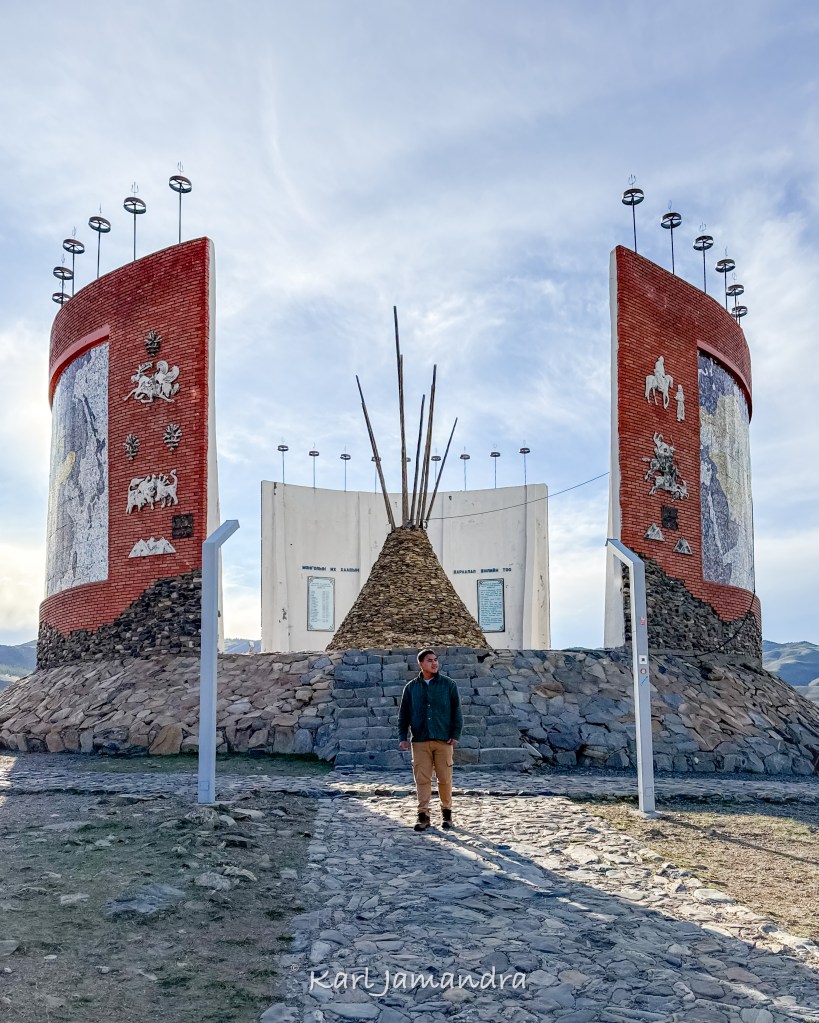
Anyway, the Monument for Mongol States stands as a tribute to the powerful empires and kingdoms that shaped Mongolia’s history over centuries. It symbolizes the unity, the strength, and the enduring legacy of the Mongolian people.
CHINGGIS KHAN STATUE COMPLEX
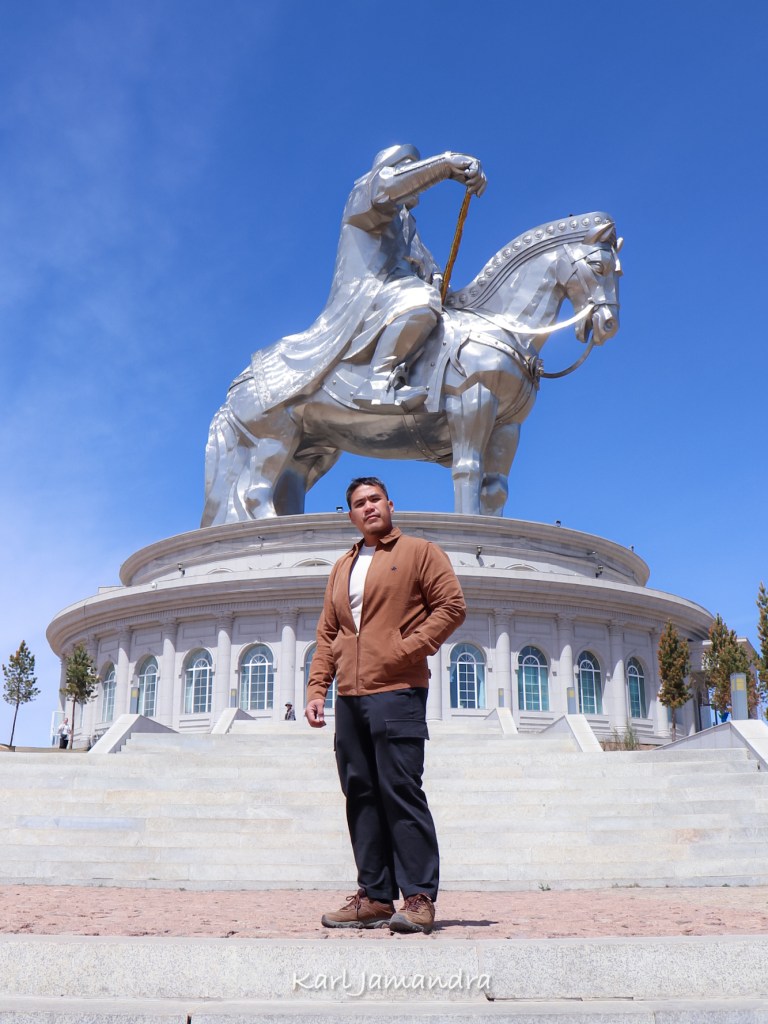
Just when I thought it would just be like any ordinary statue, the Chinggis Khaan Statue exceeded my expectations! I was blown away by how huge and magnificent it looks! Said to be the world’s largest equestrian statue, as Chinggis Khan is depicted here riding on horseback, the statue towers dramatically above the lush Mongolian steppe. Made of stainless steel, the massive statue can be climbed for panoramic views of the surrounding countryside. Gerard and I, however, didn’t go in as we wanted to appreciate the tower from the outside using my drone and camera! Moreover, we wanted to see and try the activities around the complex. Should you decide to go in, though, expect to see exhibits and cultural displays celebrating Mongolian history and nomadic traditions. I’d say that this place has become one of Mongolia’s most iconic modern landmarks: an excellent symbol of their national pride.
ARYABAL MEDITATION TEMPLE
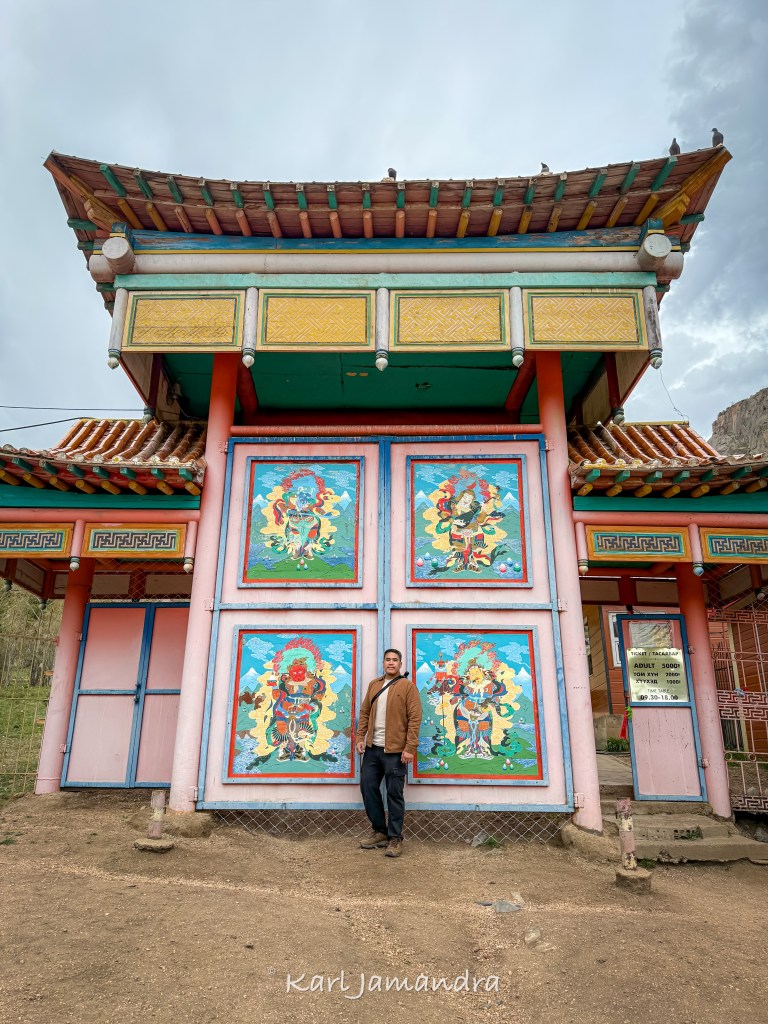
This temple is the best place we’ve been to in the Gorkhi-Terelj National Park. Located at the mountainside within the national park, this Buddhist temple offered a quiet retreat from the hustle and bustle of the city. Visitors reach the temple by walking along a trail decorated with Buddhist teachings and prayer symbols. The temple atop provides a calm, spiritual atmosphere that is quite perfect for a quiet reflection. Not only that, it also offers panoramic views of the valley below!
ULAANBAATAR
Of course, visiting and going around Mongolia’s capital city is a must when you visit the country. You’d have a feel of how Mongolians live in the urban setting.
- Zaisan Hill Monument
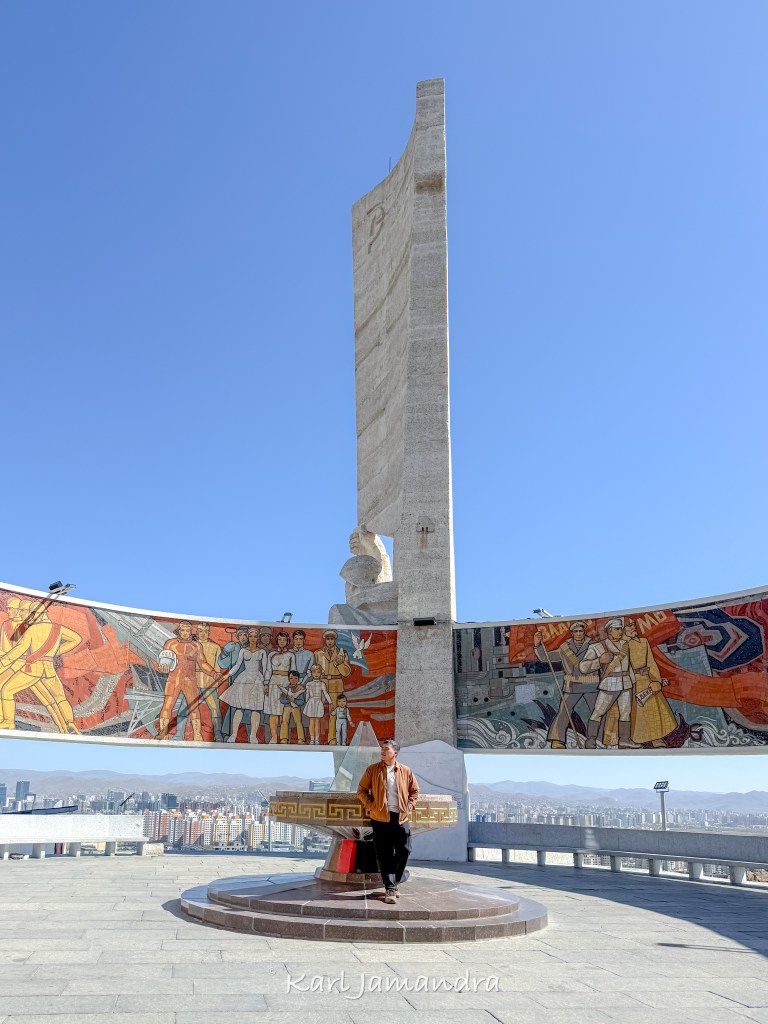
If you want to have a sweeping panoramic view of the capital city of Ulaanbaatar and the surrounding mountains, this is the place to be! Located on a hill south of the capital, Zaisan Hill Monument showcases the Zaisan Memorial, a large circular monument honoring Soviet and Mongolian soldiers who fought together during the Second World War. It shows colorful murals that depict scenes of the revolution. Visitors have to climb a long staircase to reach the top, and I promise going there would be worth it! If you want to take a break from the busy life of the city, you can climb here and just appreciate the quiet while also enjoying the view of the city below.
- Sukhbaatar Square
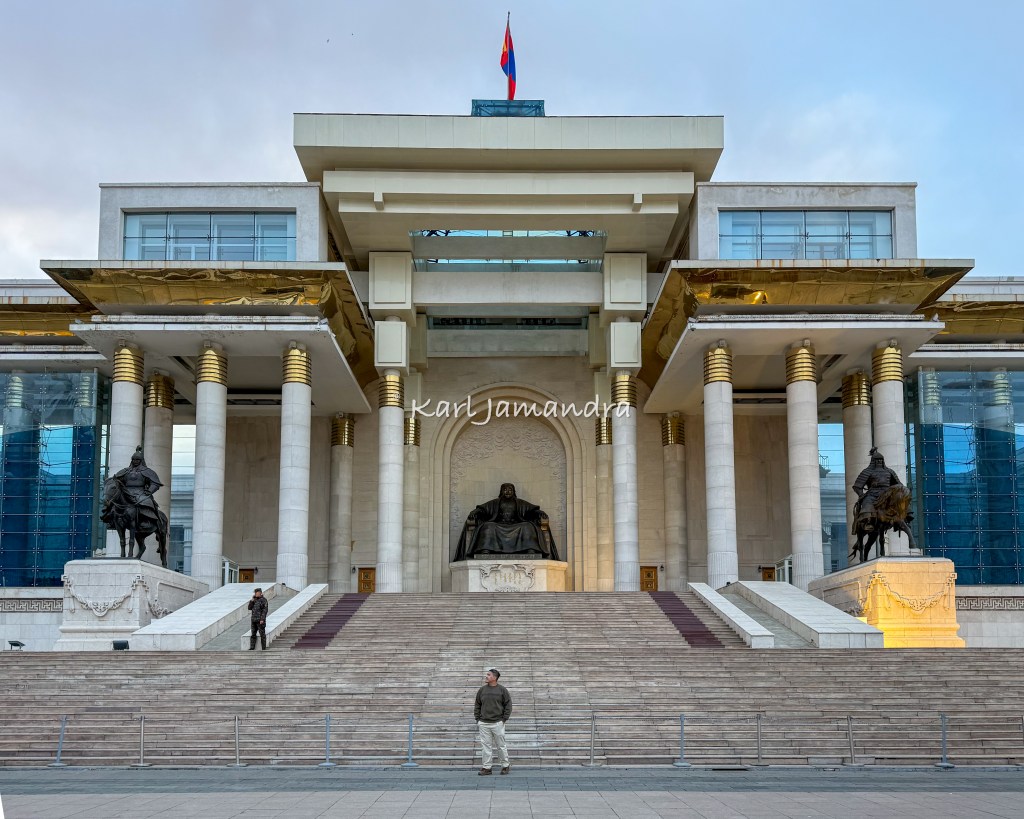
Touted as the heart of Ulaanbaatar, Sukhbaatar Square is the place to be when exploring the city’s major landmarks, museums and cultural spots. These include the Government Palace, the statues of Chinggis Khan with Ogedei and Kublai Khan, Damdin Sukhbaatar (to whom this square is named after), and the Zero Point of Ulaanbaatar, among others.
***
There’s a lot more to see in the country of Mongolia! But I hope I get to convince you to include this East Asian country in your travel plans! Just comment below if you have any question or suggestions!


.svg)