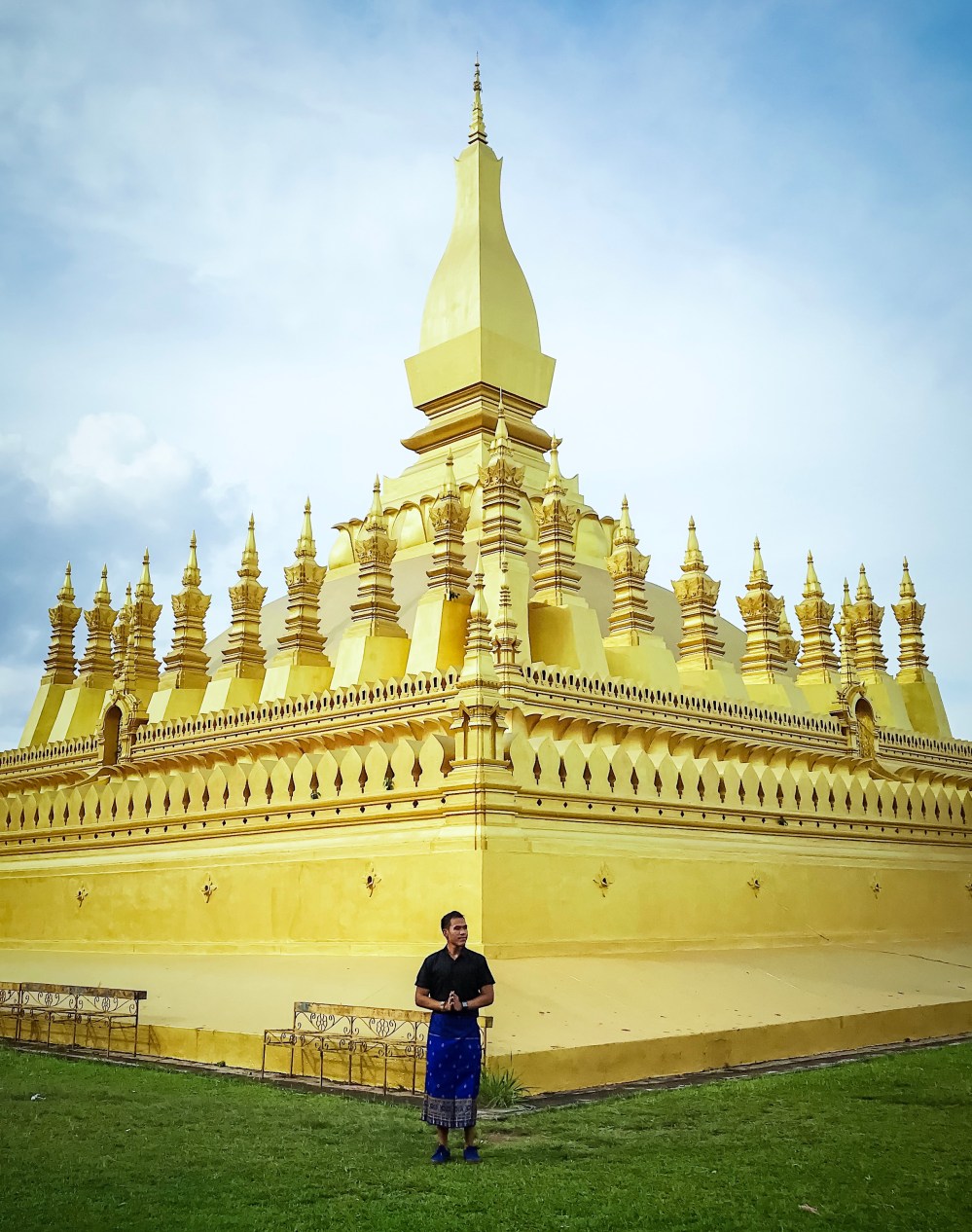
The country of Laos has initially caught my attention as a child because of its name. (If you’re not sure about what I mean, the word laos in our mother tongue means obsolete.) Of course, I knew better when I already grew up. The country of Laos is definitely not obsolete, outdated or unpopular in any way. Besides, Laos is not really pronounced as how it is spelled (it is called “Lao”as s is silent in this case). And what do I know, being there and experiencing it by myself opened to me a whole new world that was organic and grand at the same time.
This is the second leg of my Indochina trip with the Shembot Squad June to July of 2017. We flew via airplane from Bangkok to Vientiane (Laos’capital) early in the morning and went back to Bangkok from Vientiane late in the afternoon the following day. This blog post consists of what you can do in the beautiful and laid-back Vientiane for one and a half day.
LAOS
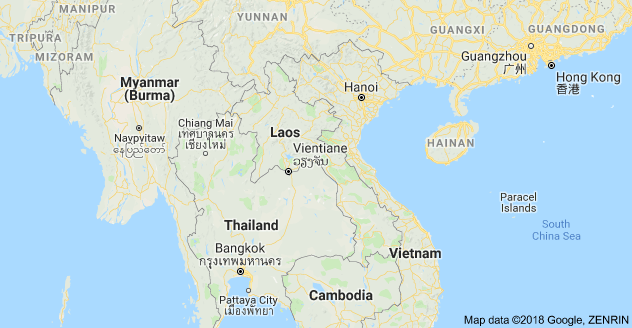
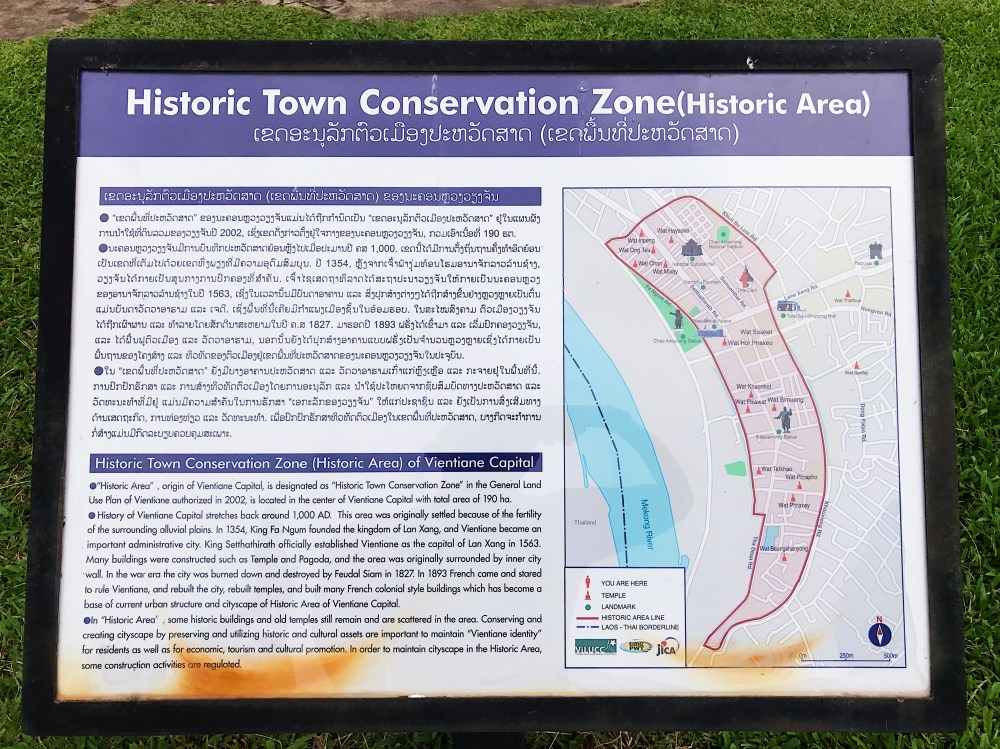
Laos is a country in Southeast Asia, along with Thailand and the Philippines. It is the only landlocked country in the region, having bordered by Myanmar as well as parts of China in the northwest, Vietnam in the east, Cambodia in the southwest and Thailand in the west.


Half of Laos’ 6.7 million people are Buddhists, though many also practice Laotian folk religion. Their official language is Lao, though some can understand and speak in English.
Laos was colonized by France from 1893 to 1853 that is why French influence can be seen in many of their structures as well as their food. Meanwhile, a minority of the Lao people can speak and understand French as well.
Important things to remember before heading to Laos:
- Food, accommodation and other expenses in Vientiane are not that expensive. Gauge how much you are going to spend based on the number of days you will be staying. Do not exchange all your US dollars to Laos kip if you are just going to spend a few days here.
- While there are foreign exchange shops at the town proper of Vientiane, it is best to exchange your US dollars to Laos kip at the airport.
- You can do a tour around Vientiane using only a bicycle. This is much cheaper instead of riding the tuk-tuk or taxi going around the city.
- Aside from airplane, you can also ride the train or bus from Bangkok (or Hanoi, if you’ll be coming from Vietnam) to Vientiane. Here’s a helpful guide from The Man in Seat 61 to help you should you decide to ride via train or bus.
Guide through our itinerary in Vientiane:
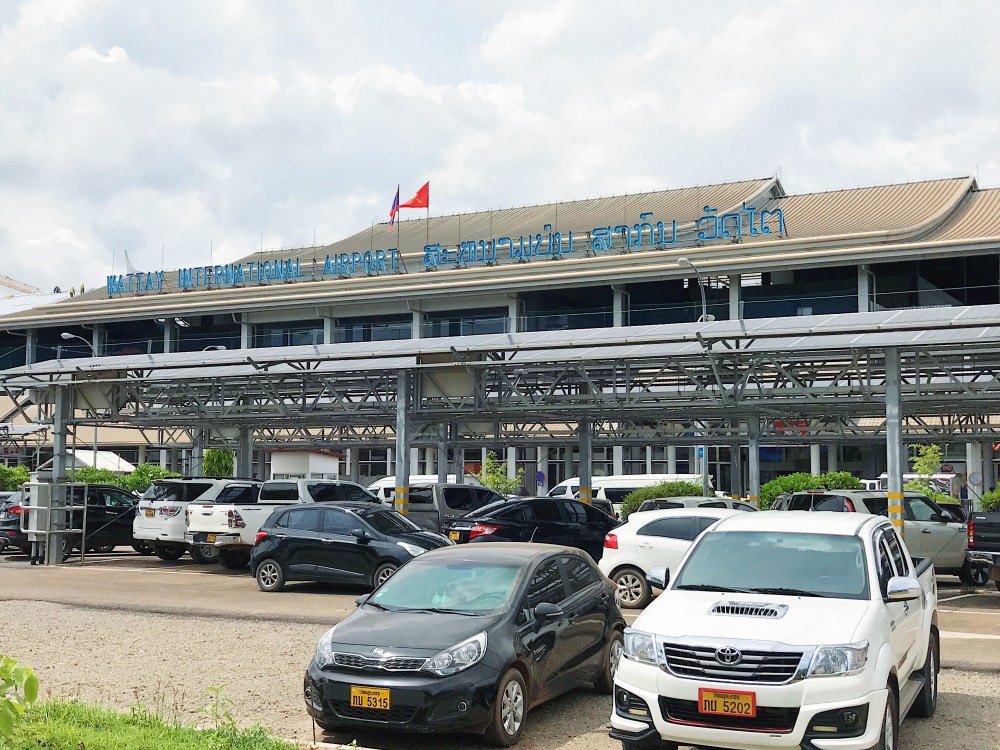
It was already early in the afternoon when we reached Vientiane. We immediately searched for a tuk-tuk, a three-wheeled vehicle that can carry about four to six passengers, to transport us from the airport to our hostel.
Where we stayed: NINY BACKPACKERS HOTEL
This hotel has dormitory-type rooms with fan and/or air-condition. Guests can wash up in shared bathrooms and keep their things in personal lockers. Internet connection is available in the lounge area. This hotel is located at the town center, making it easy for guests to go to shops, eateries and the night market along the Mekong River. It also only a few kilometers away from the airport.
We immediately settled in our hotel. After resting for a short while, we prepared ourselves so we could have our tour of the city. Our hotel offers bike rentals, and we figured it would be easier and a lot cheaper to tour the city by biking so we rented bikes for the whole day.
It was really fun biking around Vientiane! They have designated lanes for bicycles along the roads, but we still had to be extra careful because in busy roads, a lot of cars, vans, taxis and tuk-tuks could be found.
First in our itinerary is the complex of That Luang Complex. The most sacred monument in Laos, That Luang (The Great Stupa) is the most impressive structure that I have seen in Vientiane. We parked our bikes in the designated parking area then walked our way towards the temple. Some parts of the stupa were being reconstructed at that time, but we were still allowed to go inside so we did. Admission fee was 5,000 Kip. The structure was magnificent from afar, but it’s definitely splendid when it’s near!
THAT LUANG
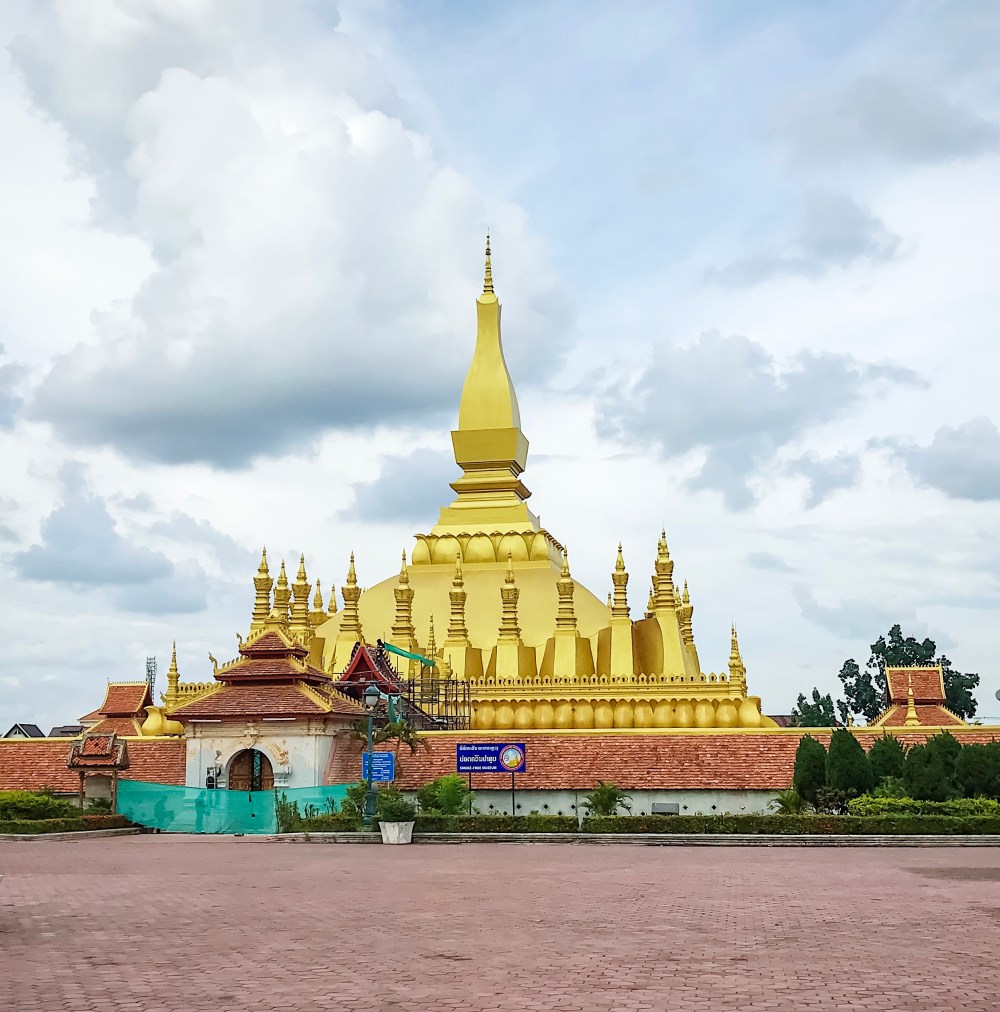
Said to be first constructed during the 3rd century to confine a breastbone of Buddha brought about by an Indian missionary, this magnificent 45-m high gold-covered stupa is located 4 km northeast of the city center. That Luang embodies Buddhism and showcases Laotian architecture. The main stupa at the center is surrounded by 30 small stupas.
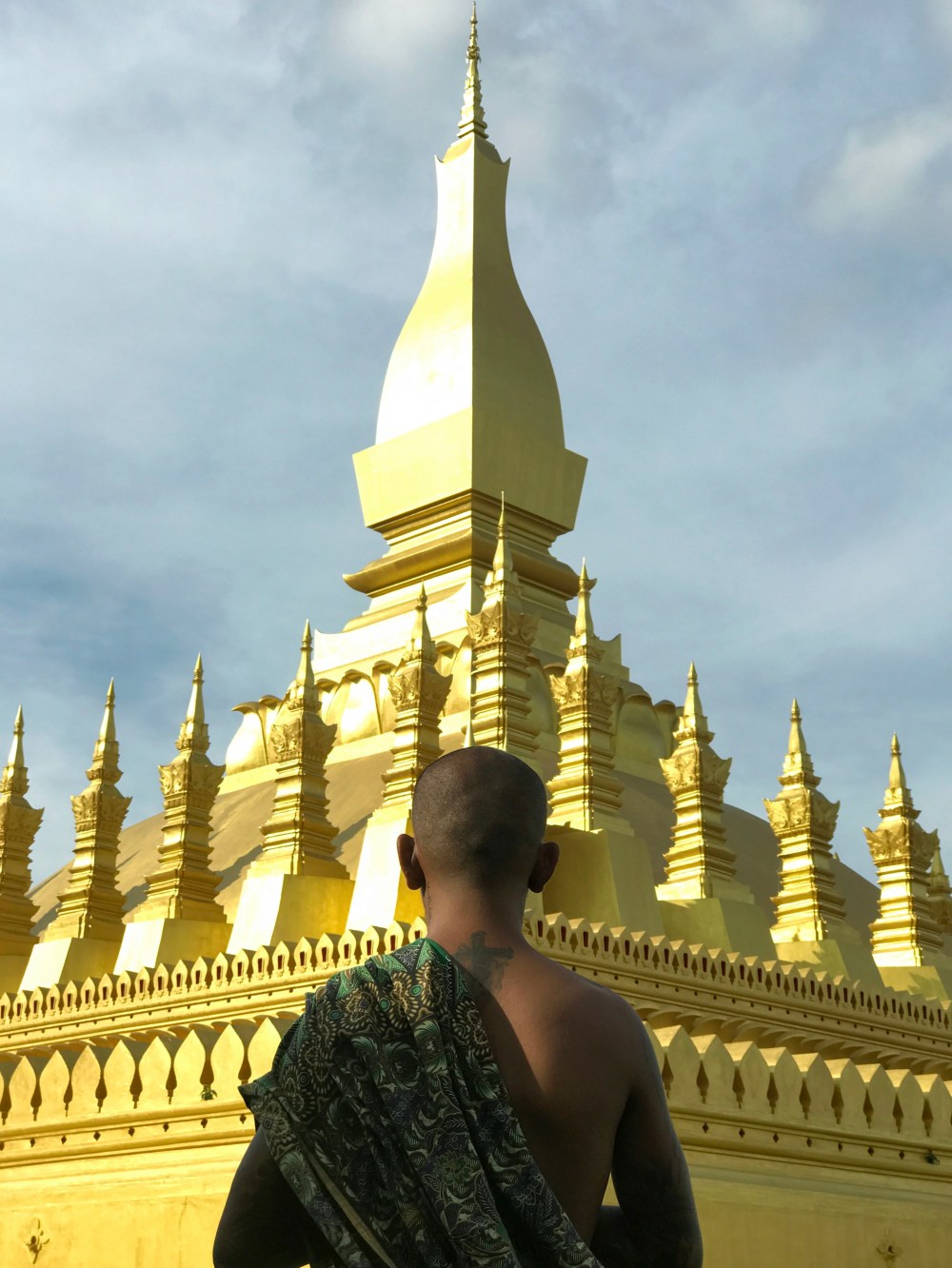
It was during 1566, though, that the current structure was built by King Setthtathirat after moving the capital of Laos from Luang Prabang to Vientiane. Invasions and wars throughout the centuries resulted to damages to the stupa, which is why several reconstructions have already been done.
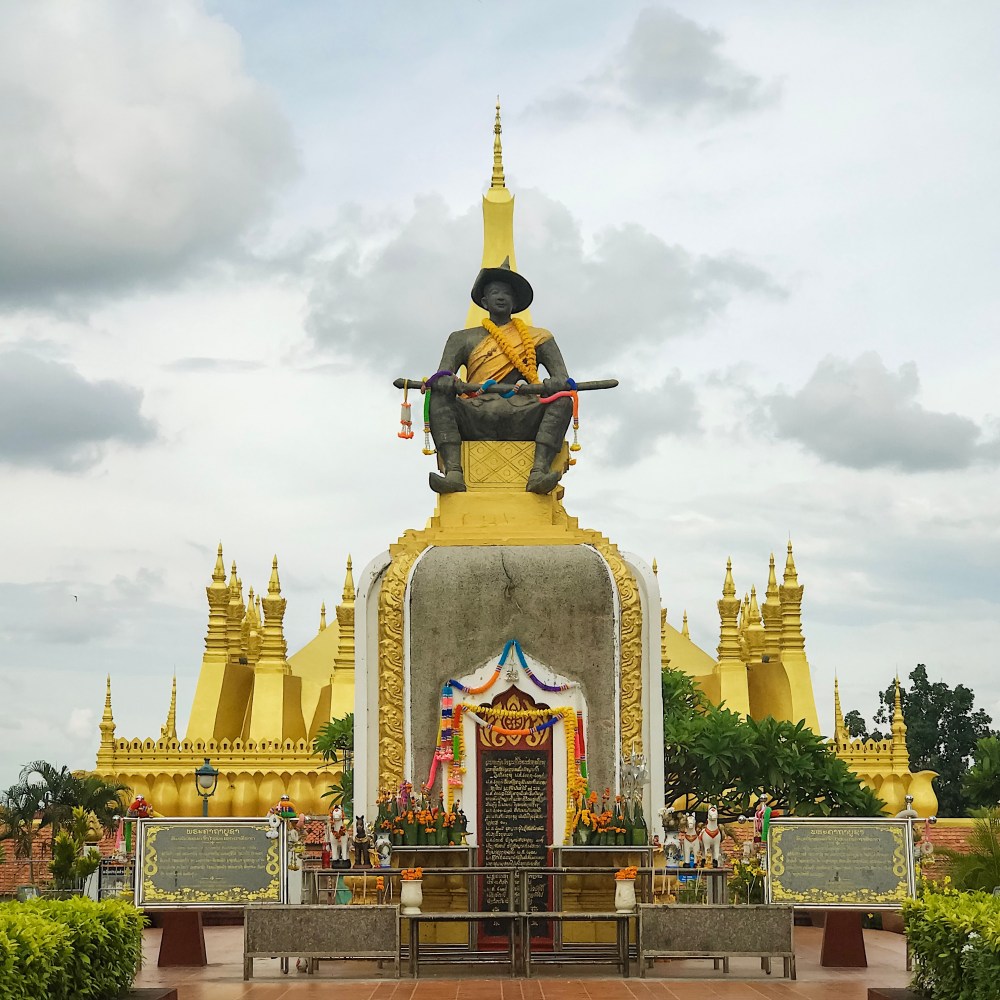
An impressive and gorgeous cloister separates the main structure from the outside. It is adorned with images of Buddha.
RECLINING BUDDHA
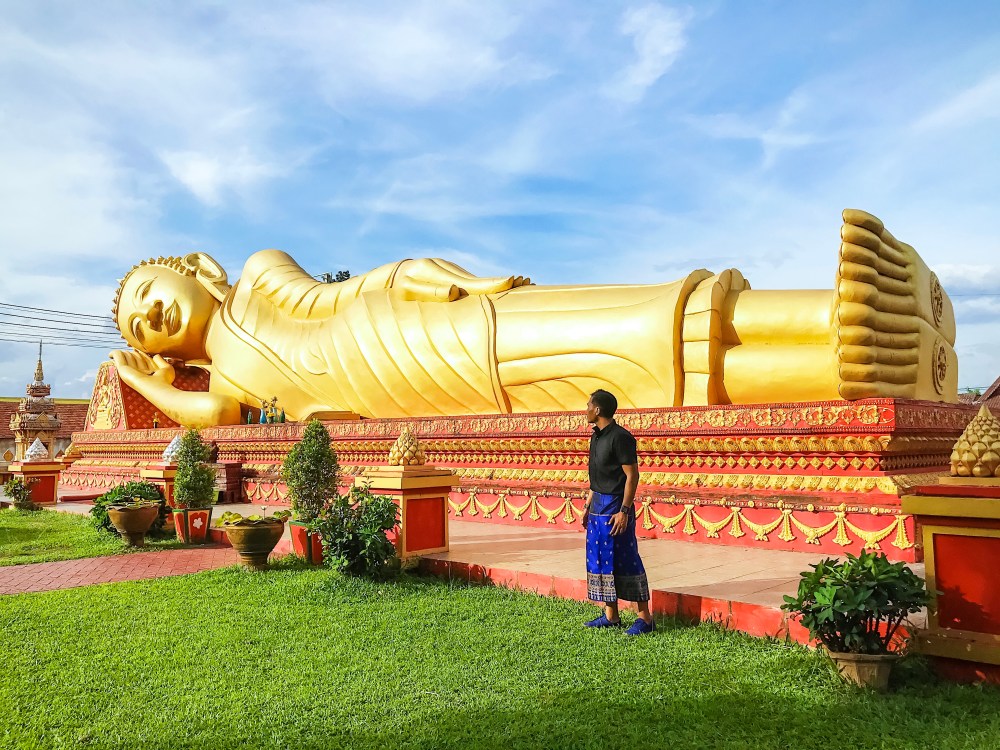
After exploring That Luang, we proceeded to the large reclining Buddha, which is just nearby. Near this reclining body of Buddha lie several stupas and pavilions.
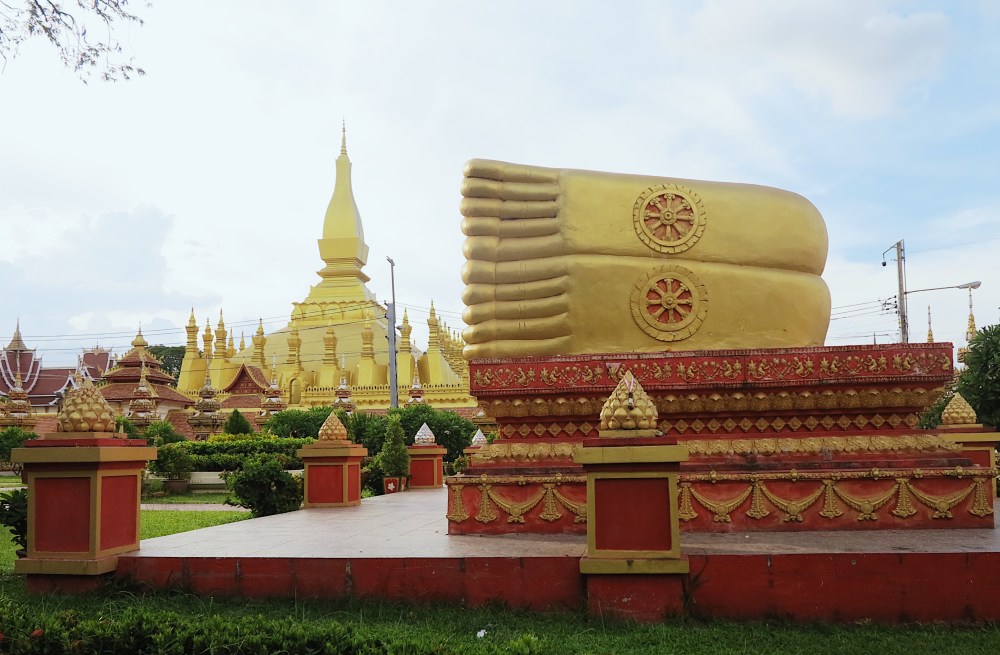
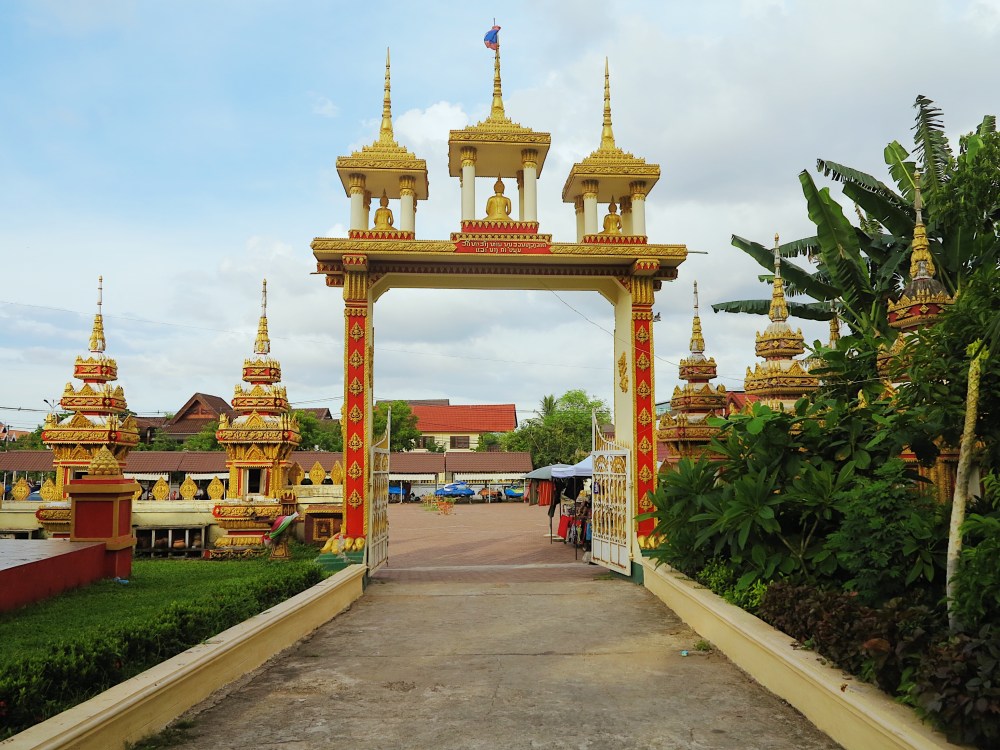
WAT THAT LUANG TAI
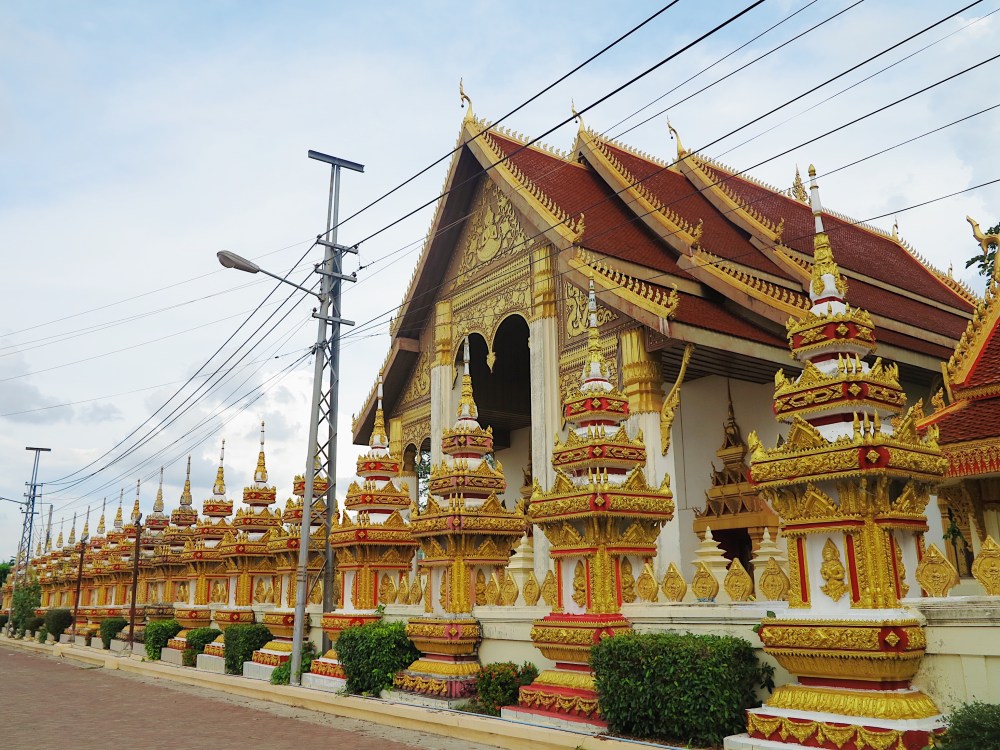
Several meters away from the large reclining Buddha is Wat That Luang Tai, said to be one of the four surrounding temples constructed along with That Luang (with only two remaining, the other one being Wat That Luang Neua) during the 16th century. Like the other structures that we have seen so far, this temple was elegant in structure, with golden façade and multi-tiered roof.
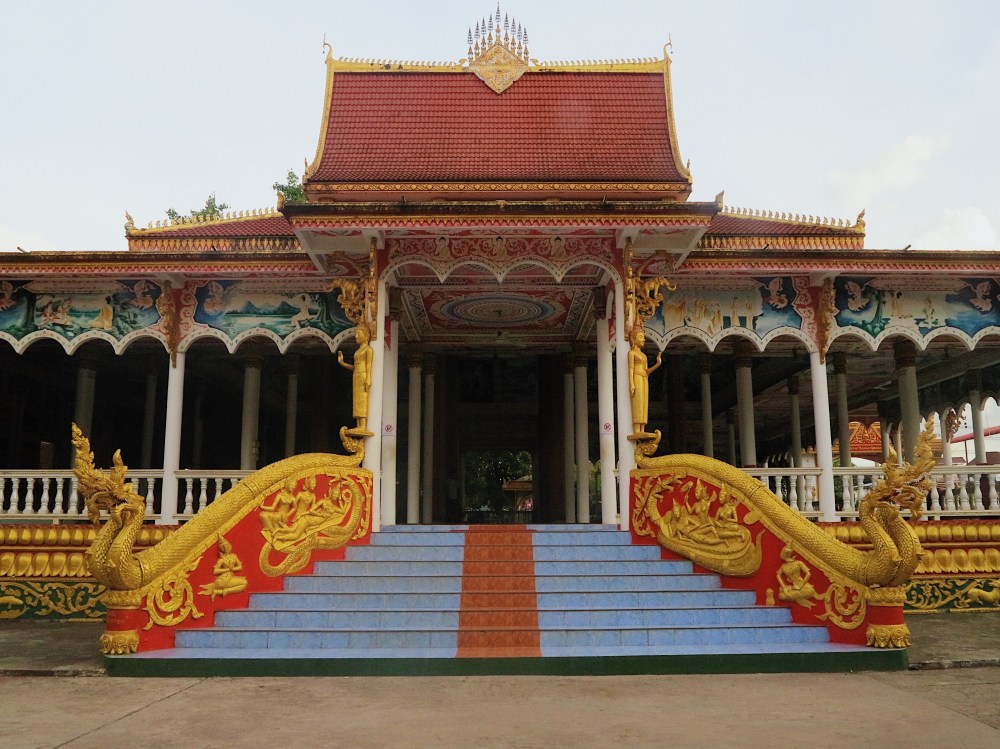
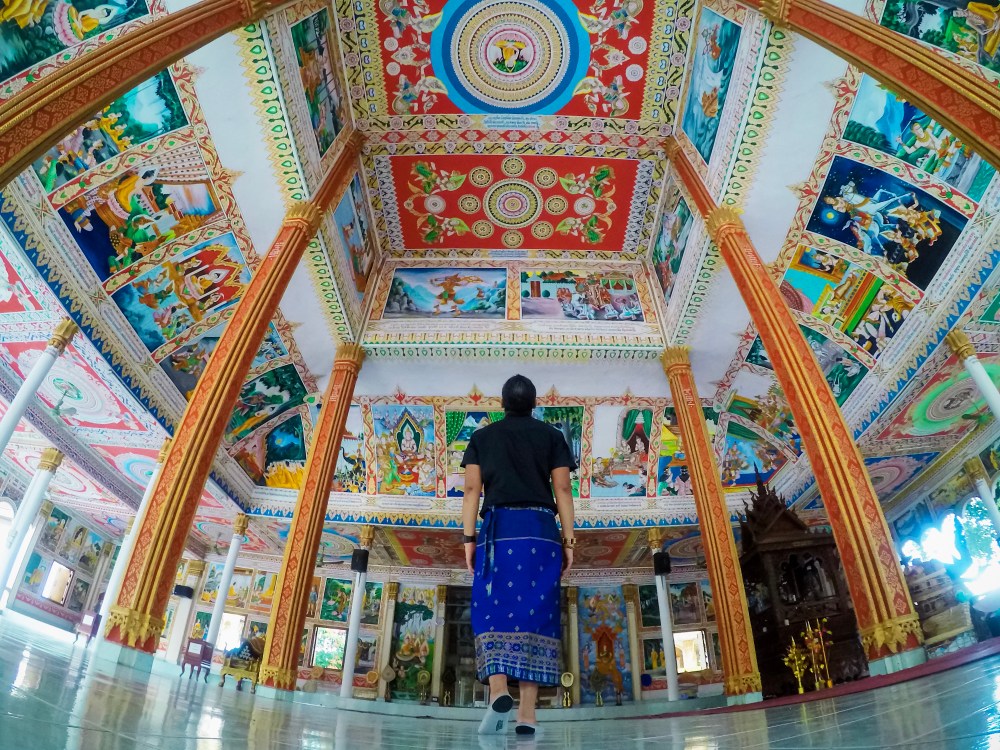
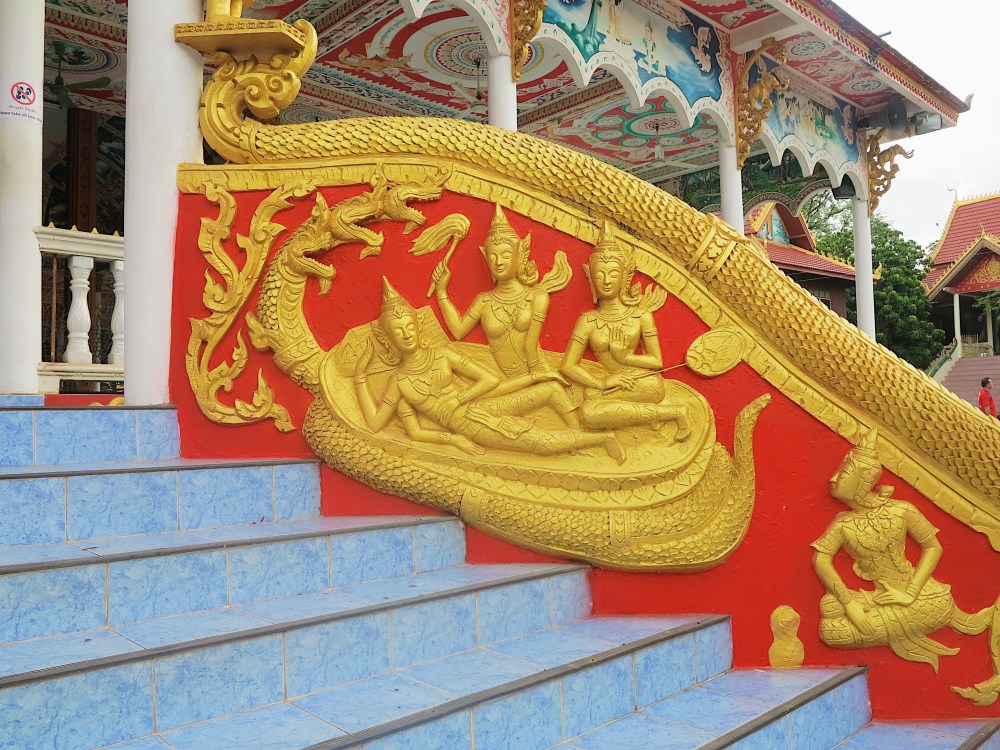
HOR DHAMMASABHA
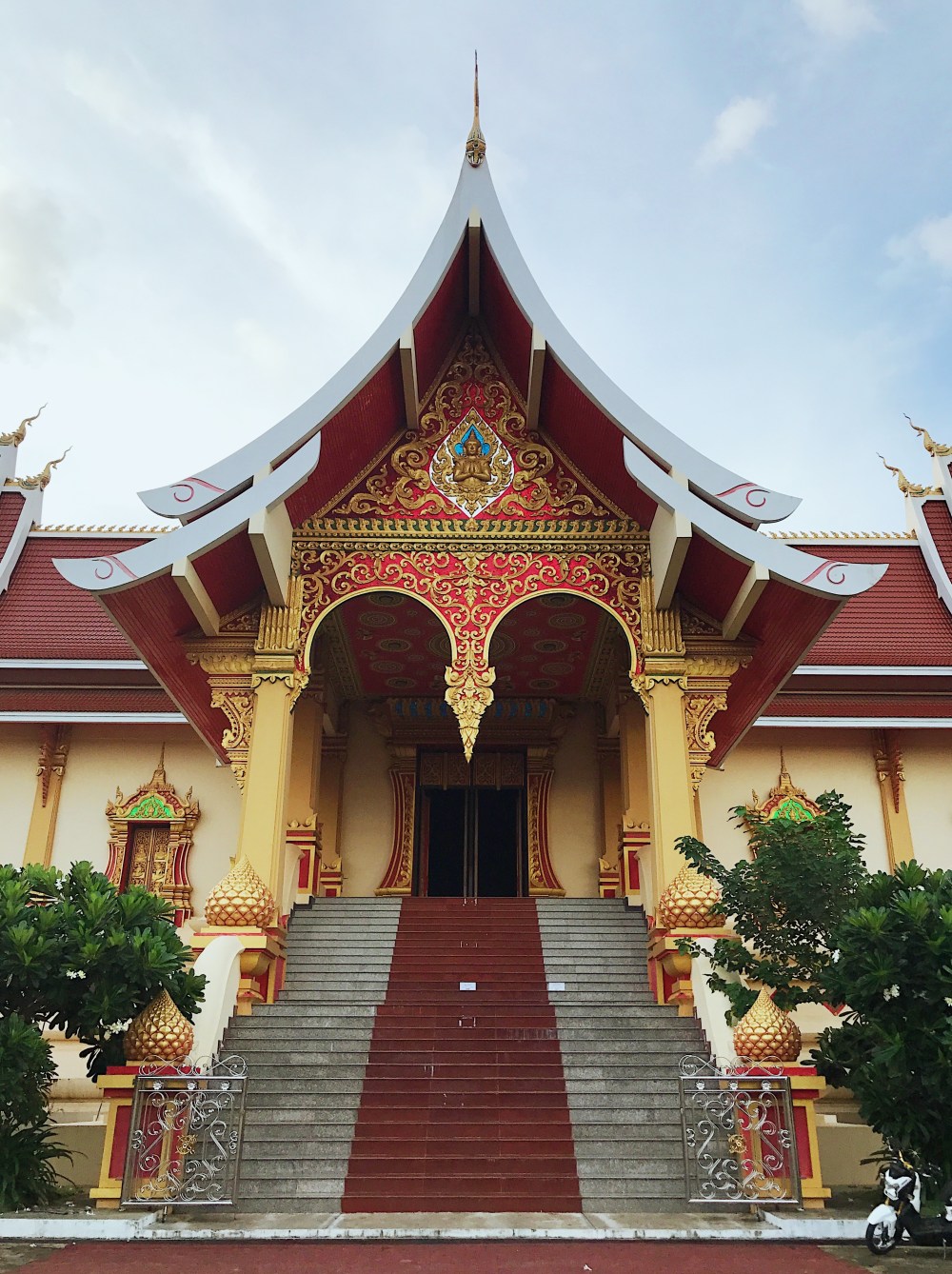
According to this Laos travel guide, this structure is a Buddhist convention hall that has been constructed only recently. Impressive in design with its colorful facade and multi-tiered roof, Hor Dhammasabha is said to be used for Buddhist meetings and ceremonies.
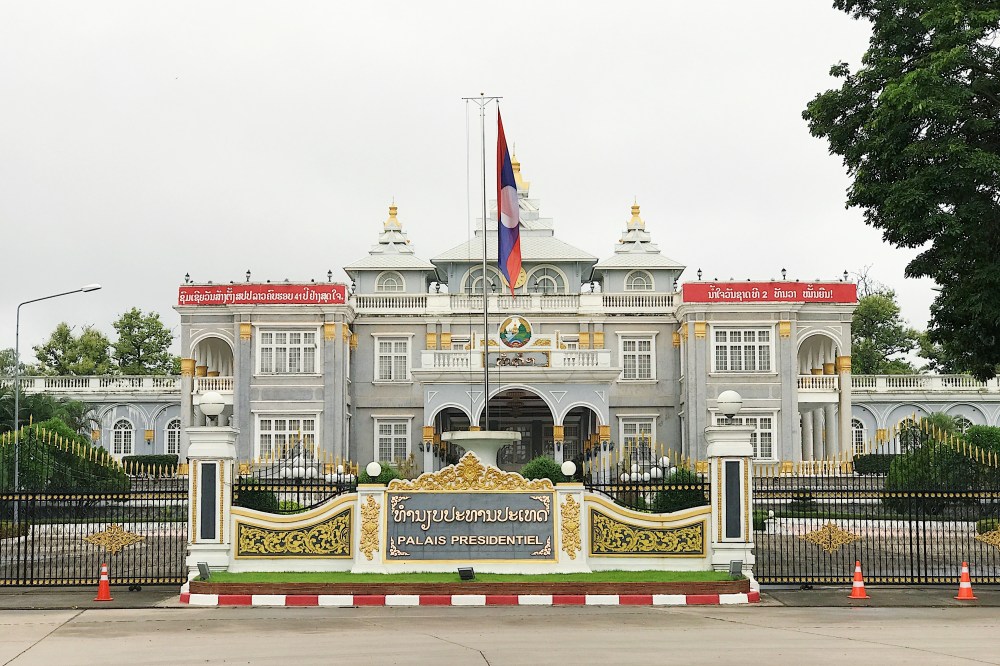
After spending some time in That Luang complex, we then biked towards Patuxai. Found at the heart of Vientiane, particularly at the end of Lane Xang Avenue, which leads to the Presidential Palace, Patuxai is one of the most popular tourist attractions in the city.
PATUXAI
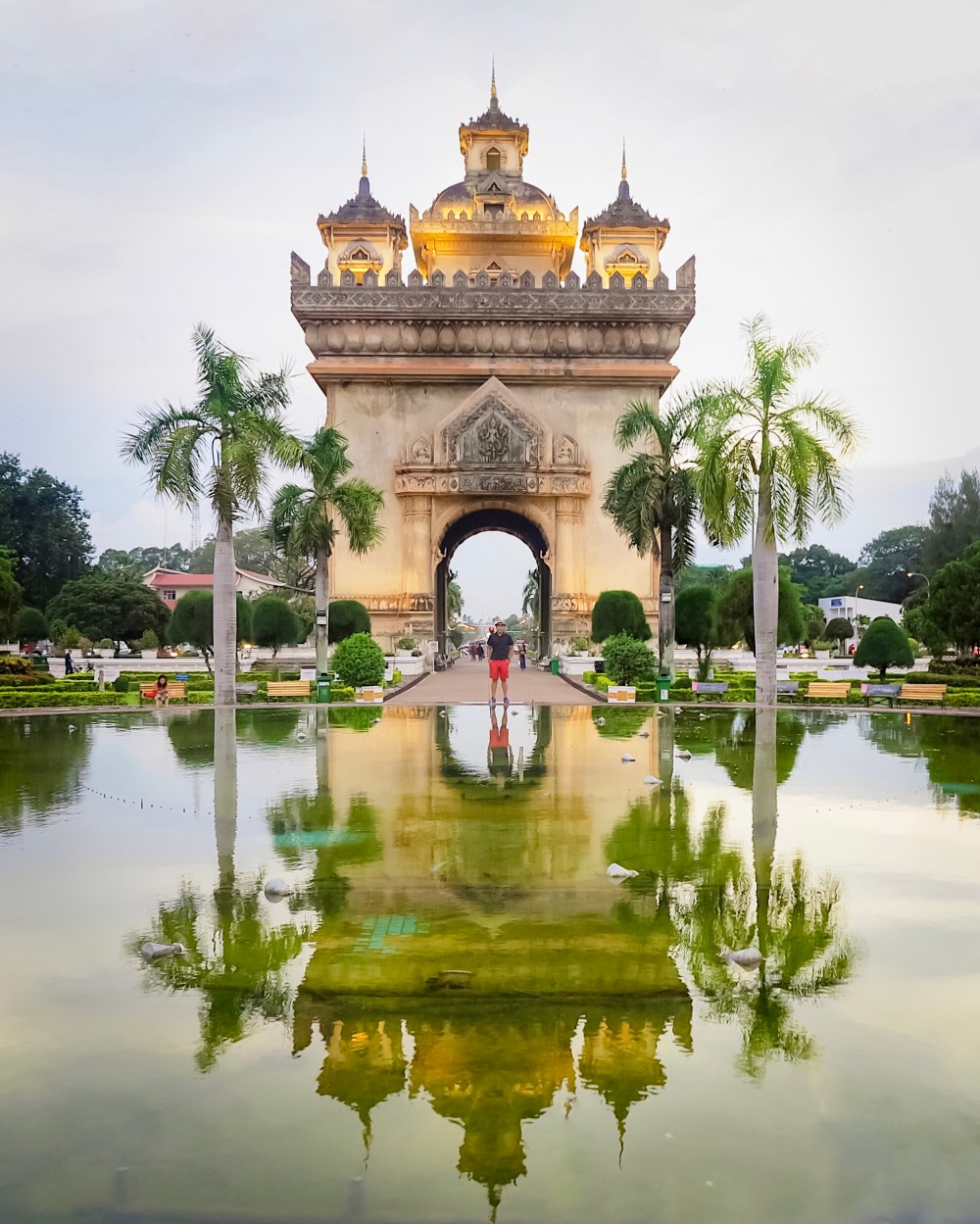
Patuxai means victory gate. This huge structure was built between 1957 and 1968 to honor the Laotians who fought for their independence from France. Even though it was similarly designed to Arc de Triomphe of Paris, this massive monument’s decorations are typical Laotian in style.
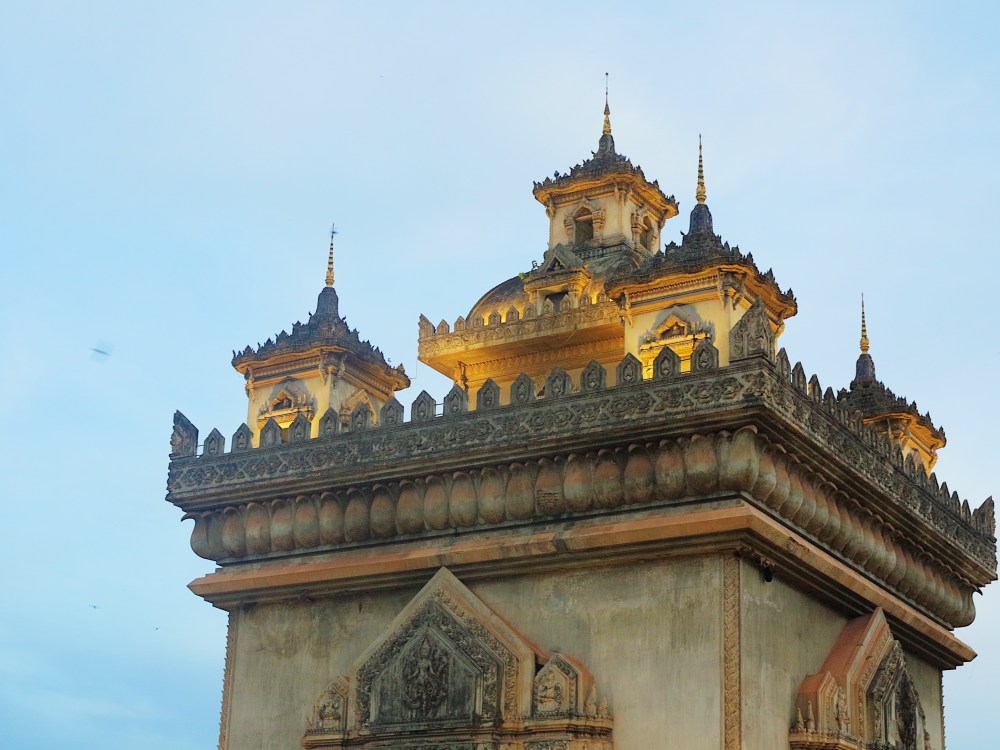
Found in the ceiling of the arches are images of Hindu gods Brahma and Vishnu, as well as mythological creatures Kinnaree (depicted as a beautiful person wearing golden jewelries from waist up and embodying that of a bird from the waist down) and Erawan (three-headed elephant).
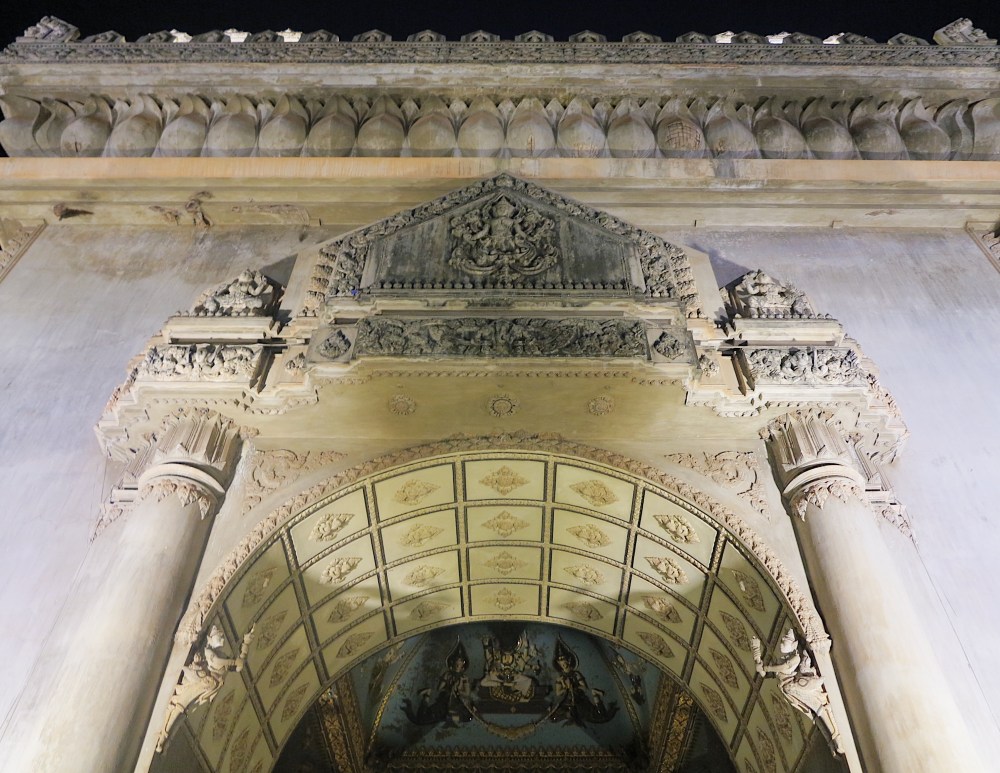
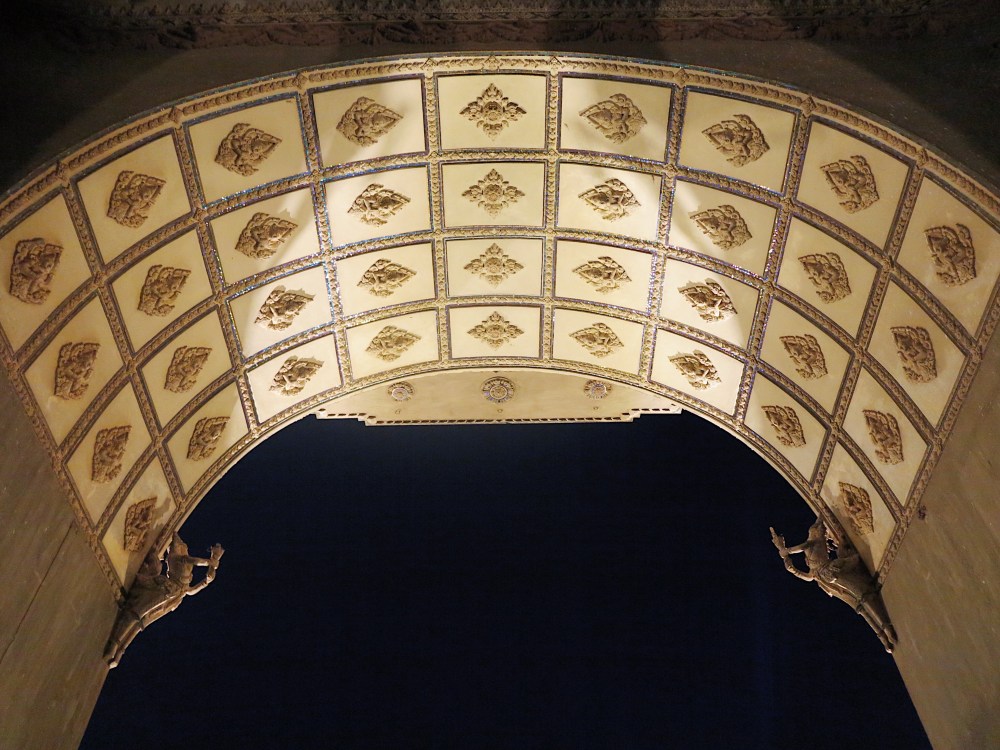
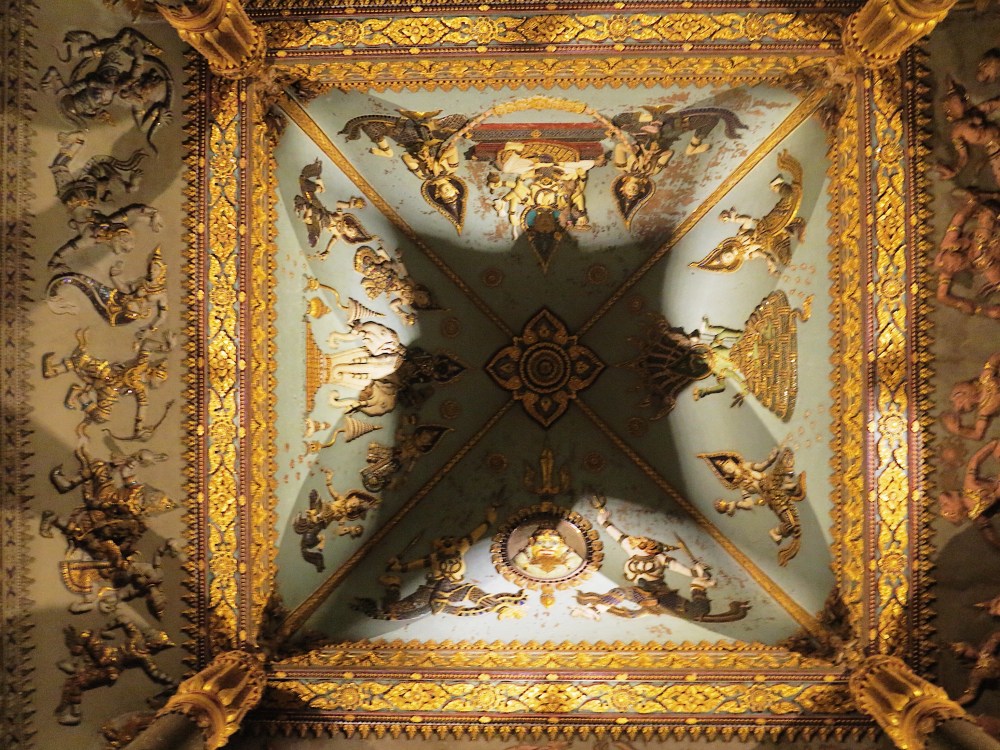
There is an observation deck on the top of the arch. Visitors can climb the stairs to reach it, passing seven (7) floors that house souvenir shops. The observation deck can be found at the top of the central tower, where one can view Vientiane as well as the Mekong River. The central tower has four towers at the corner of the arch, and they are all adorned with a golden finial.
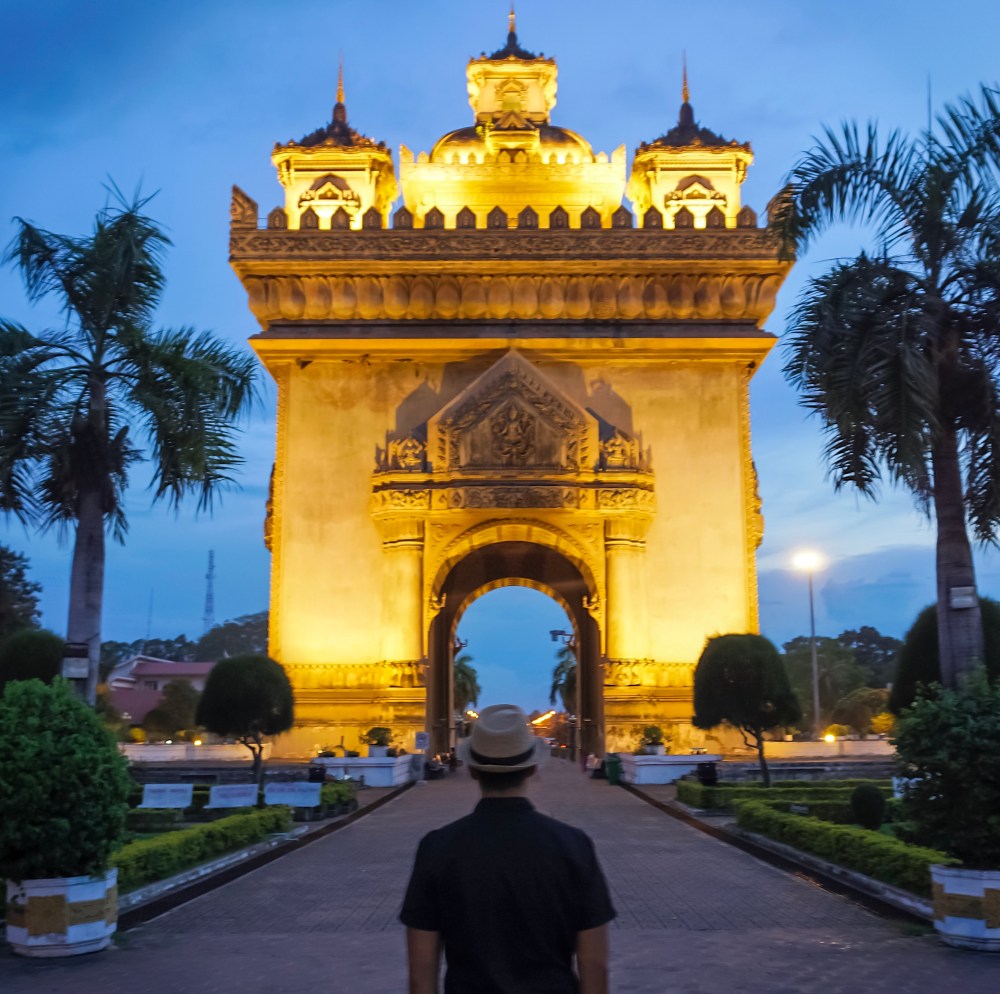
It is here at the park of Patuxai that we got to taste the street food of Laos. They have fried balls, much like those that we have here in the country!
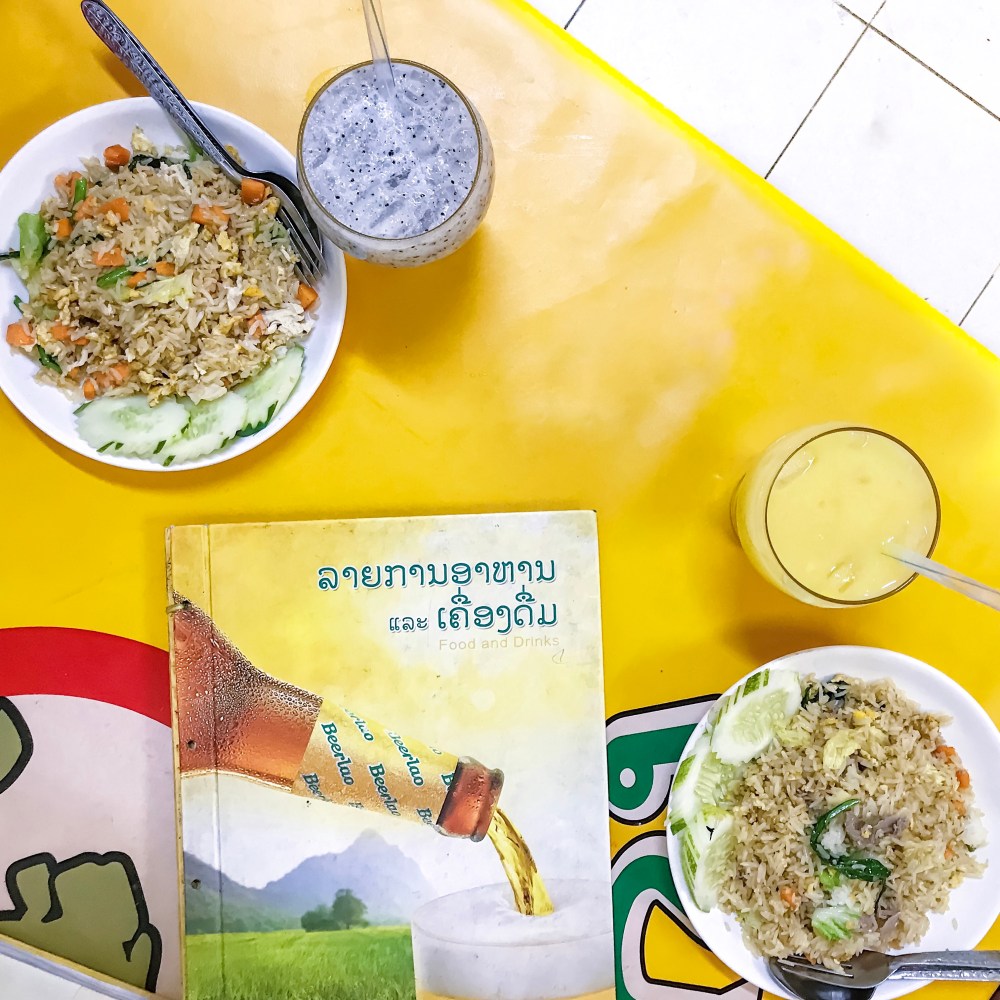
After eating our snacks, we proceeded to the hostel to rest and refresh. After a while, we headed out to eat dinner to have a taste of authentic Laotian food.
BUDDHA PARK (XIENG KHUAN)
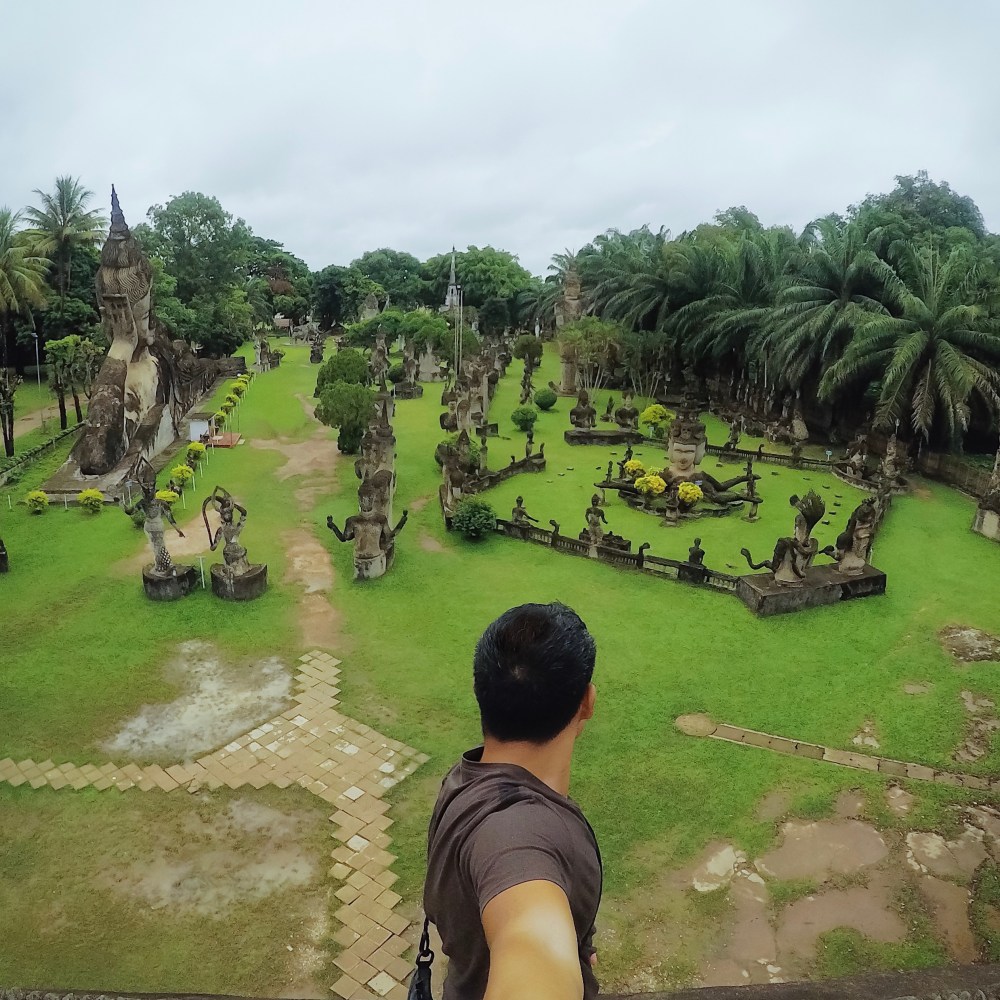
During our Day 2 in Vientiane, we proceeded to Buddha Park. From the hostel, we walked towards Kalatsao Central Bus Station and rode Bus 13. This bus went directly towards the Buddha Park.
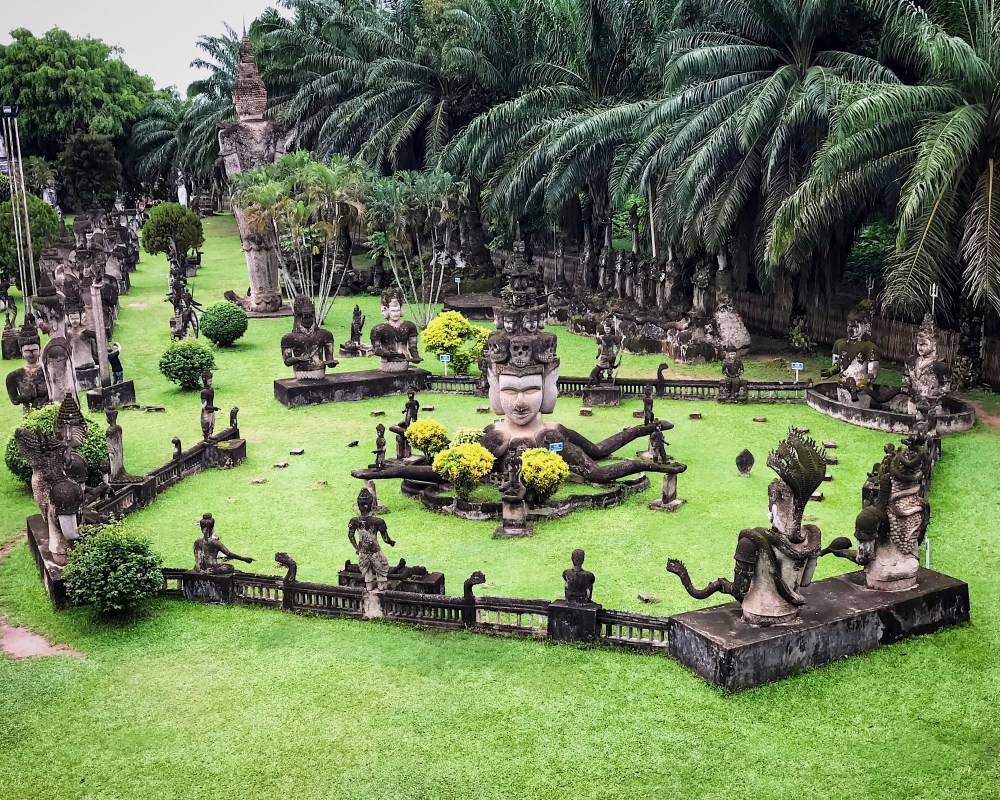
A fascinating sculpture park near the Mekong River, the Buddha Park is located 25 km east of the town center of Vientiane. While it is not a temple, the Buddha Park contains hundreds of Buddhist and Hindu statues that were created by Lao spiritual leader, Luang Pu Bunleau Sulilat.
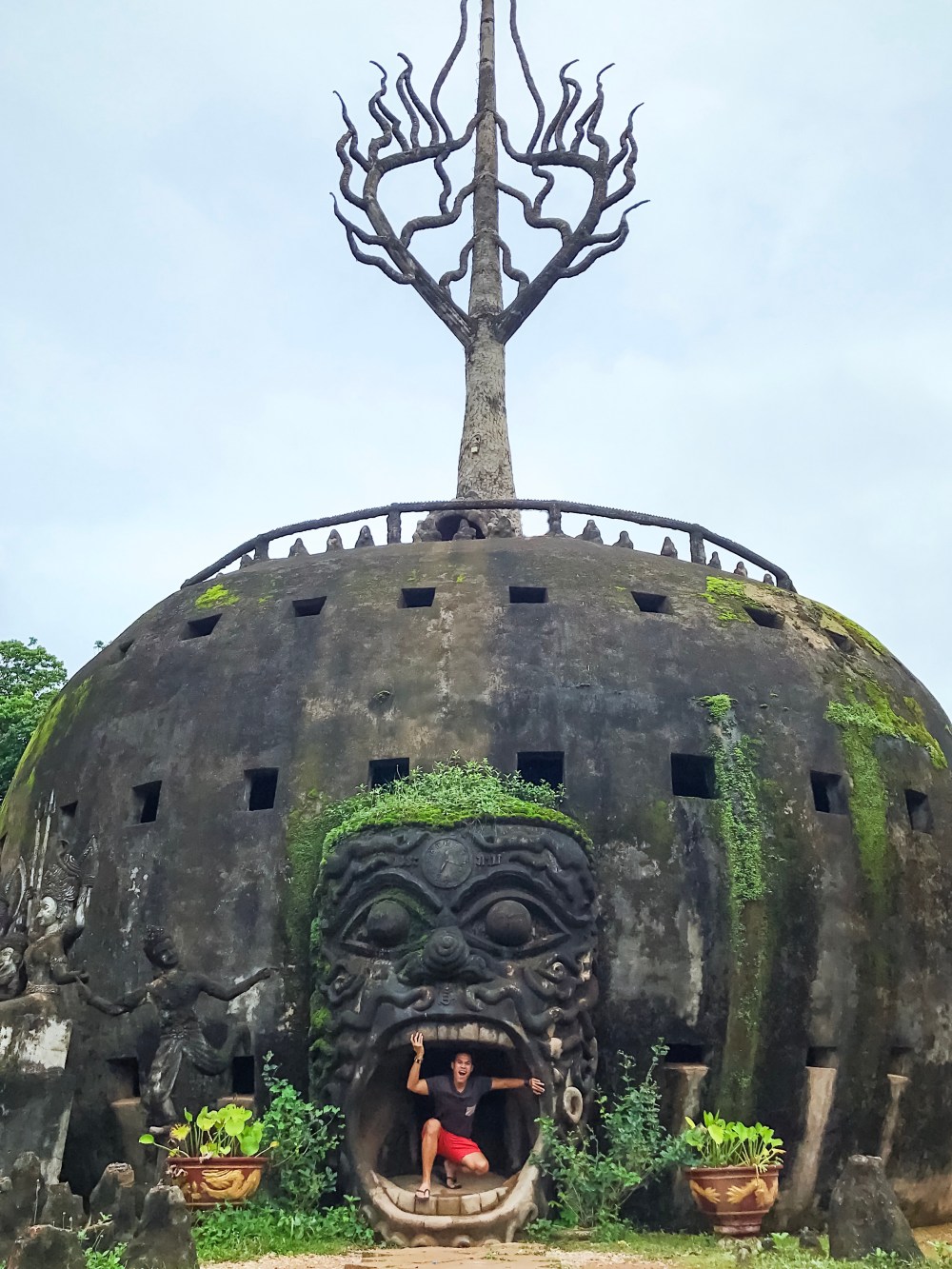
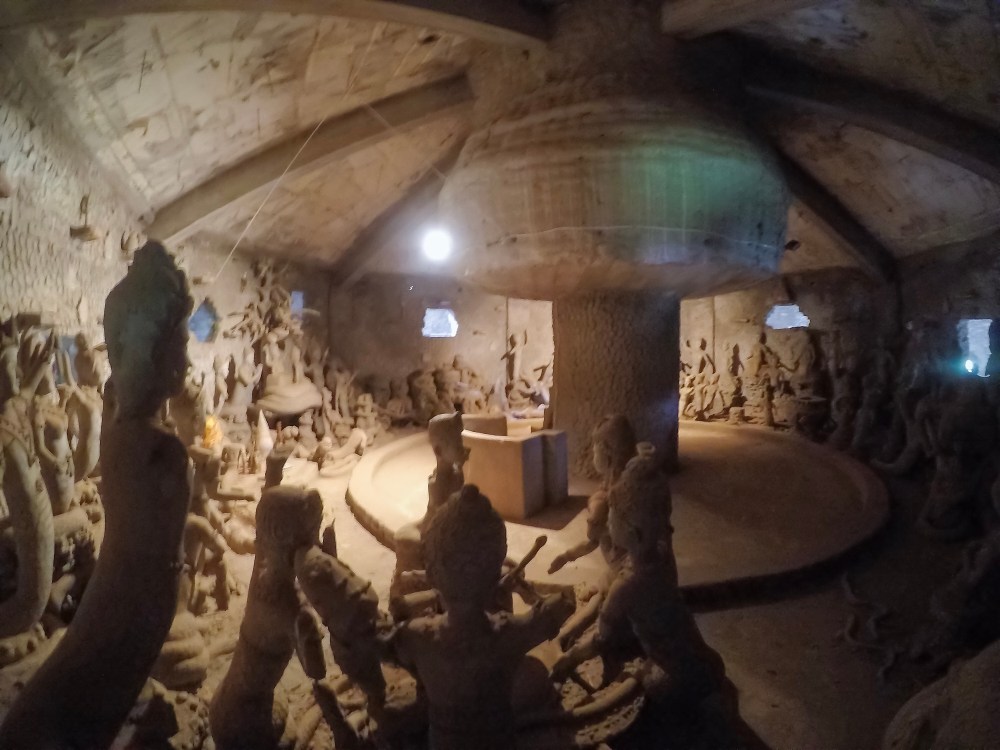
One of the most interesting pieces in this park is the pumpkin-like structure near the entrance. Visitors can enter this structure through a sculpted demon’s mouth, and climb up three floors (said to represent heaven, earth and hell) to get to the top where the entire park can be viewed.
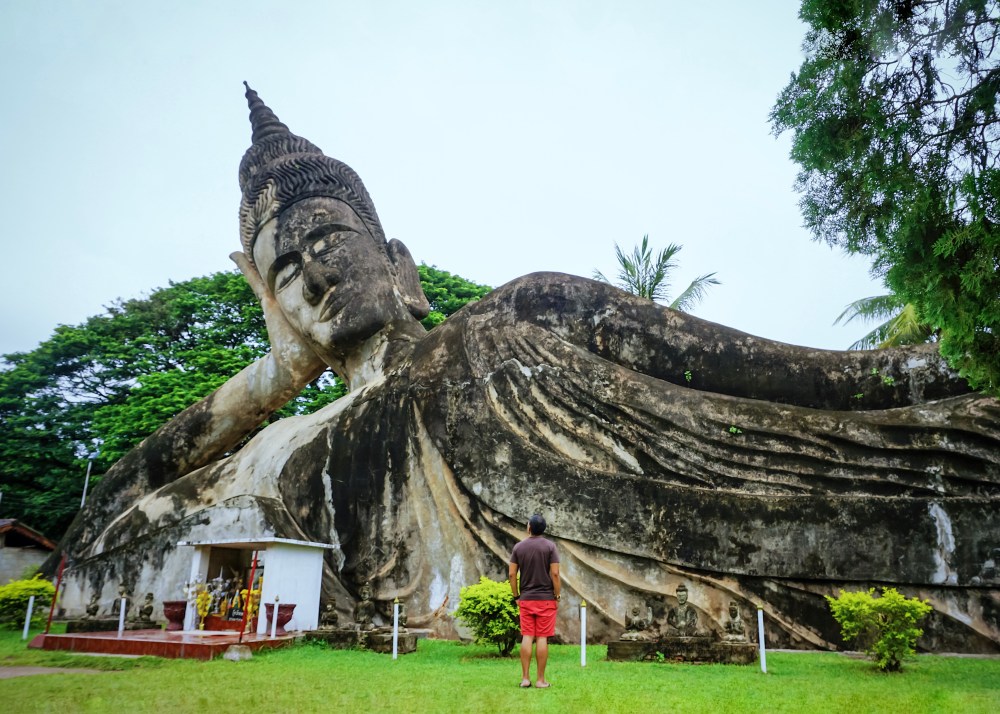
Another major attraction in the park is the huge 120-m long reclining Buddha at the side of the park.
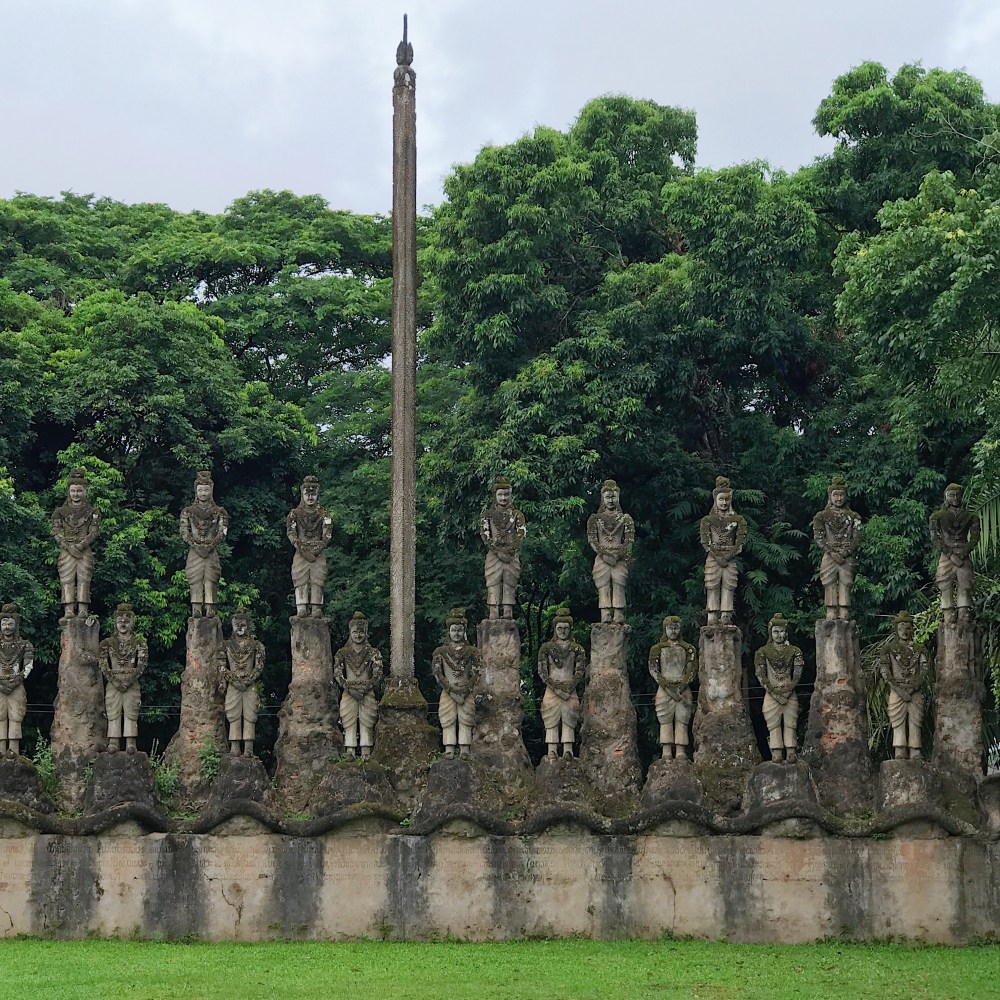
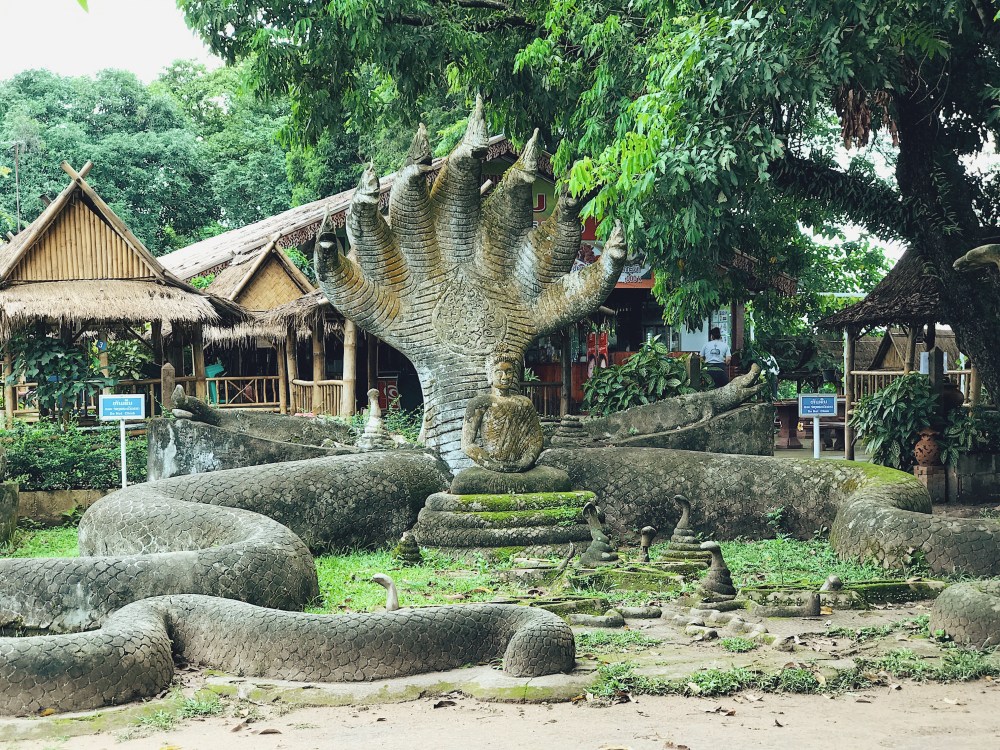
There were souvenir shops and food stalls in the park. We were really tired and thirsty after going around the park, so a refreshing fruit shake was perfect. Afterwards, we waited for a bus to take us back to the town center.


We headed back to the hostel to fix our things. We had remaining kip, which was enough to buy some snacks, souvenirs and a tuk-tuk on our way back to the airport. Small stores and souvenir shops abound the hostel where we were staying.
If you still have time to go to various places around Vientiane, you may do so. There are museums, temples and other interesting places even at the town center.
LAOS EXPENSES
Here’s a list of what we have spent individually in Viantiane.
Van from the airport to the hotel- 40,000 Kip
Niny Backpackers Hostel – 100,000 Kip
Bicycle – 10,000 Kip
Snacks – 13,000 Kip
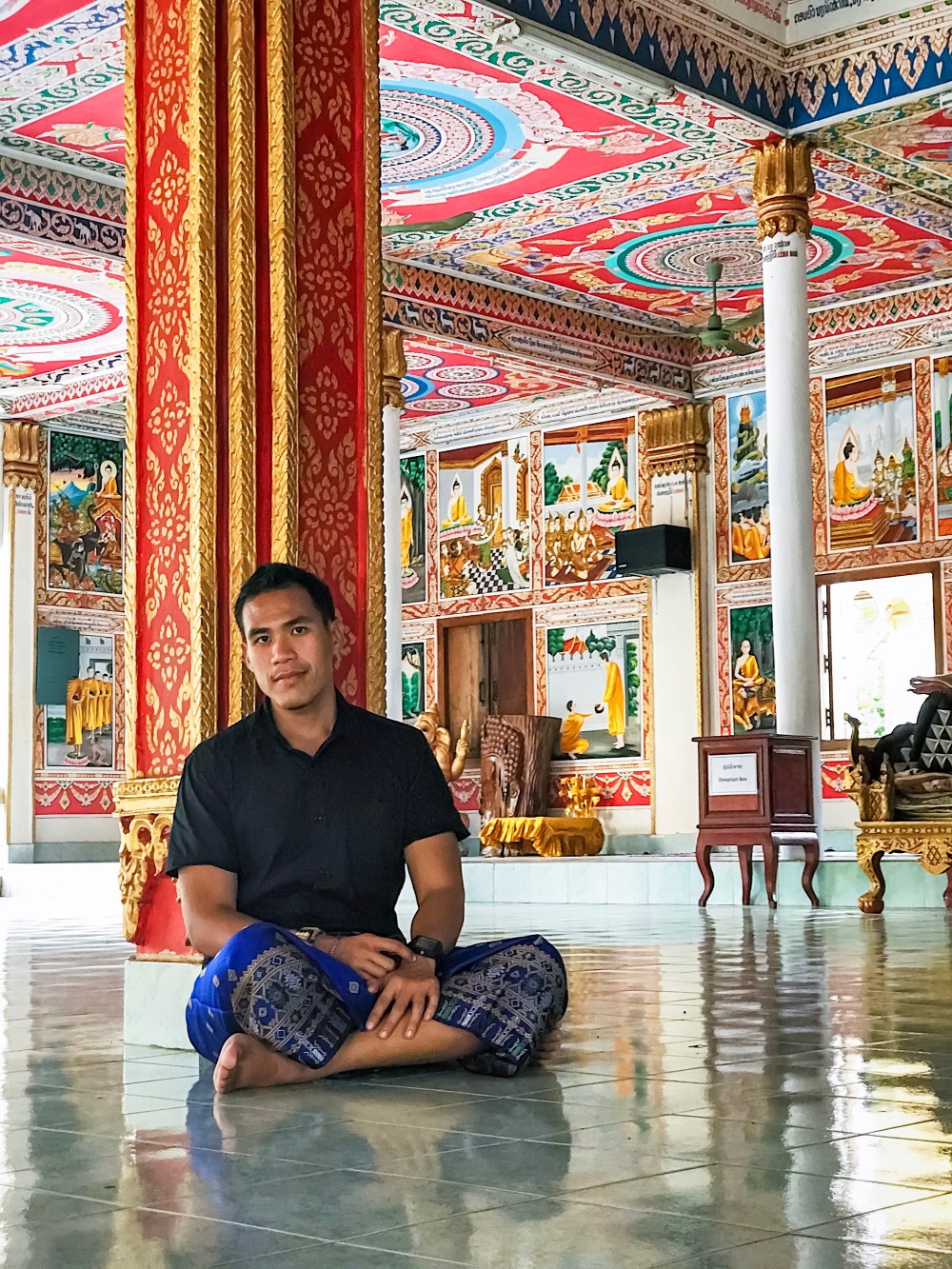
Laotian Costume in the Great Stupa – 20,000 Kip
That Luang entrance fee – 10,000 Kip
Pad Thai – 50,000 Kip
Lao Dinner – 56,000 Kip
Bus to Buddha Park – 6,000 Kip
Buddha Park entrance fee – 5,000 Kip
Fruit shake – 10,000 Kip
Bus going back to Kalatsao Central Bus Station – 6,000 Kip
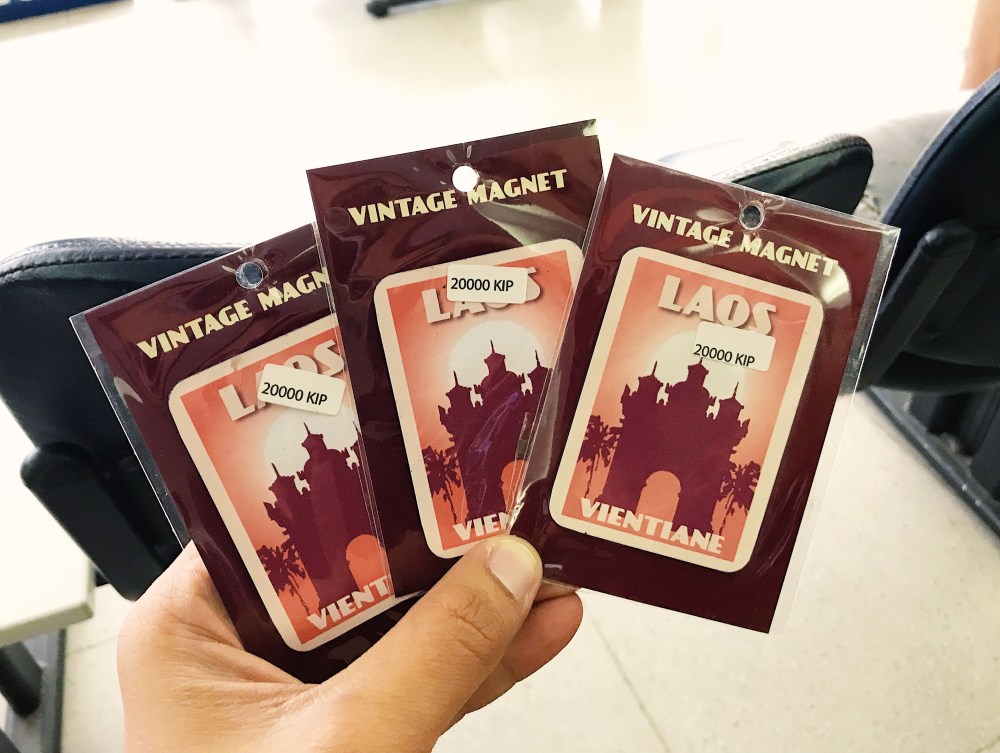
Pasalubong – 55,000 Kip
Tuktuk from Vientiane to airport – 30,000 Kip
TOTAL: 371,000 Kip (roughly P2,363 in today’s currency exchange)
***
Thank you for reading, guys! I hope this blog post has inspired you to travel to Vientiane, Laos’ beautiful capital. If you have comments, questions or suggestions, don’t hesitate to ask me below! Watch out for the continuation of our Indochina trip with our travels to Myanmar, Cambodia, Malaysia and Singapore with my next blog posts!
 K.O. the Explorer